
Komodo underwater rock formations are among the distinctive features that make diving in Komodo National Park so fascinating. Beneath the surface, rocky outcrops, submerged pinnacles, and steep underwater structures create dramatic seascapes that extend far beyond the region’s colourful coral reefs. These natural formations influence the underwater landscape, provide habitats for marine organisms, and contribute to the unique character of different dive sites.
One well-known example is Batu Bolong, a prominent rock formation rising above the sea in Komodo National Park. Its exposed structure is only part of the experience. Below the surface, the surrounding reef reveals a complex underwater environment where depth, rocky contours, and marine habitats come together.
Understanding Komodo underwater rock formations helps divers appreciate more than the scenery. It also provides insight into how underwater structures interact with currents, support marine life, and influence the way a dive site should be explored.
1. What Makes Komodo Underwater Rock Formations Unique?
Komodo underwater rock formations come in different shapes and sizes. Some structures rise from the seabed as isolated pinnacles, while others form rocky ridges, steep walls, or irregular outcrops surrounded by open water.
These geological features create vertical relief, meaning that the underwater landscape changes noticeably in height and depth. As divers move around a formation, they may encounter different surfaces, views, and environmental conditions within the same area.
The surfaces of these formations can support corals, sponges, and other marine organisms. Small crevices may provide shelter for certain animals, while exposed sections can experience different water movement from more protected areas.
This combination of structure and habitat makes Komodo underwater rock formations interesting to explore. However, each site has its own characteristics. Depth, visibility, current, and diver experience should all be considered before choosing a location.
2. Batu Bolong: A Remarkable Rock Formation in Komodo
Batu Bolong is one of the recognisable natural landmarks in Komodo National Park. Its prominent rock rises above the water, creating a distinctive silhouette against the surrounding sea.
Beneath the surface, the underwater contours surrounding Batu Bolong reveal another side of this geological feature. The reef-covered structure provides habitat for marine organisms and creates a varied underwater landscape for divers to observe.
The site’s appeal is closely connected to its natural setting. Rather than being a simple, flat reef, the structure features changes in depth and underwater contours that contribute to its distinctive appearance.
However, Batu Bolong should not be selected based on its popularity alone. Current strength and direction can vary with tides and local conditions, making a professional assessment important before any dive.
Divers should discuss their certification, recent experience, depth limits, and comfort with current conditions with the dive team. The planned activity must suit the participants and the conditions on the day.

3. How Underwater Pinnacles Create Dramatic Seascapes
Pinnacles are prominent underwater structures that rise above the surrounding seabed. Depending on their shape, they may resemble steep columns, irregular rocky peaks, or sections of a larger underwater ridge.
These structures contribute to the dramatic appearance of Komodo underwater rock formations. Their vertical profiles create changes in depth and perspective, allowing divers to observe the landscape from different angles as they move around the formation.
Pinnacles may also influence local water movement. Current can behave differently around exposed faces, sheltered sides, and nearby channels. The actual pattern depends on the shape of the structure, surrounding geography, and tidal conditions.
For this reason, divers should pay close attention to the pre-dive briefing. Understanding the planned route, expected current, depth limits, and entry and exit procedures helps participants prepare for the conditions they may encounter.
A pinnacle’s appeal is not limited to its size or silhouette. Looking more closely at its surfaces can reveal coral growth, small marine organisms, and different habitat features that might otherwise go unnoticed.
4. The Connection Between Rock Formations and Marine Life
Komodo underwater rock formations are more than geological features. They can also provide surfaces and shelter that support marine habitats.
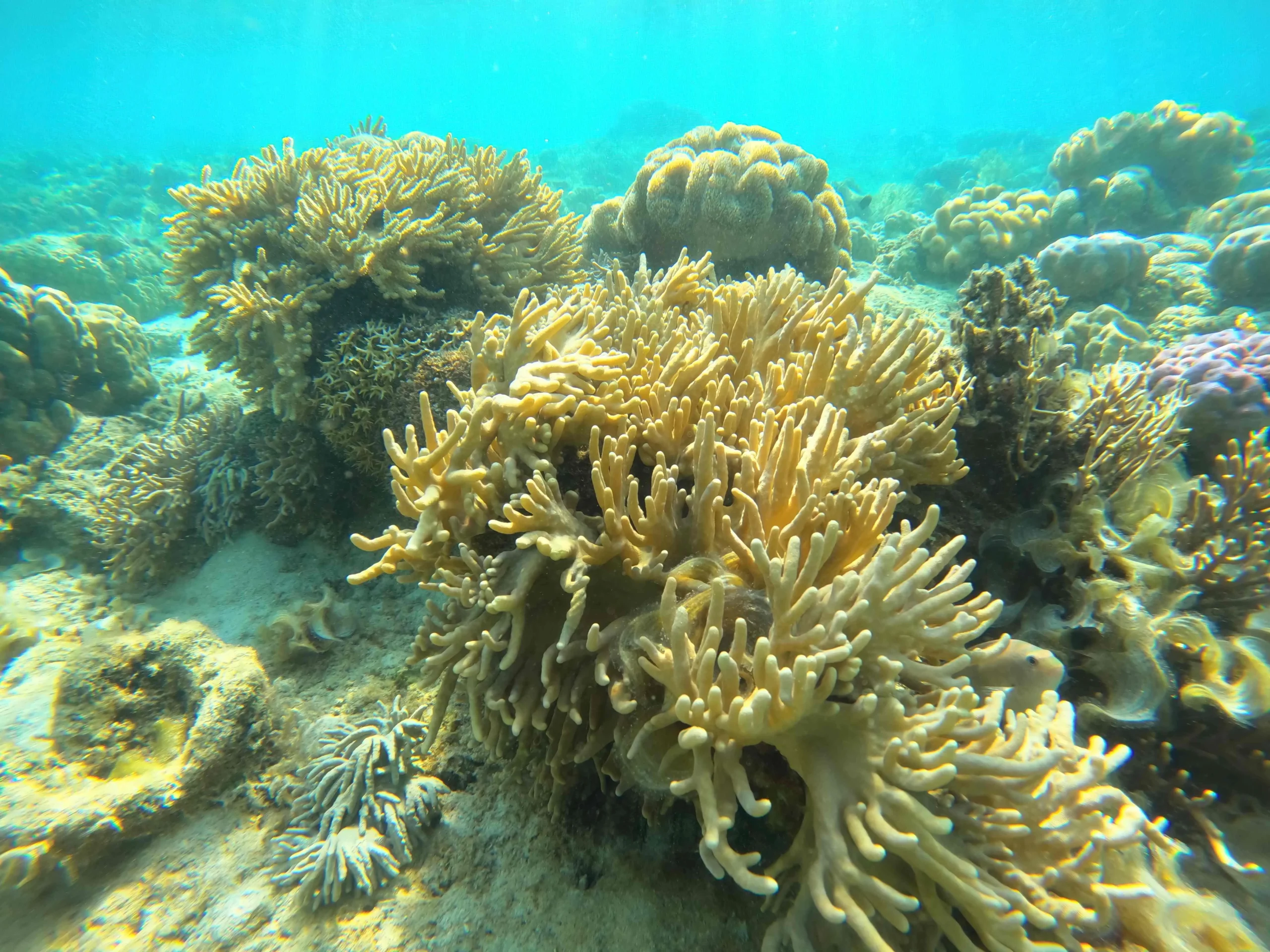
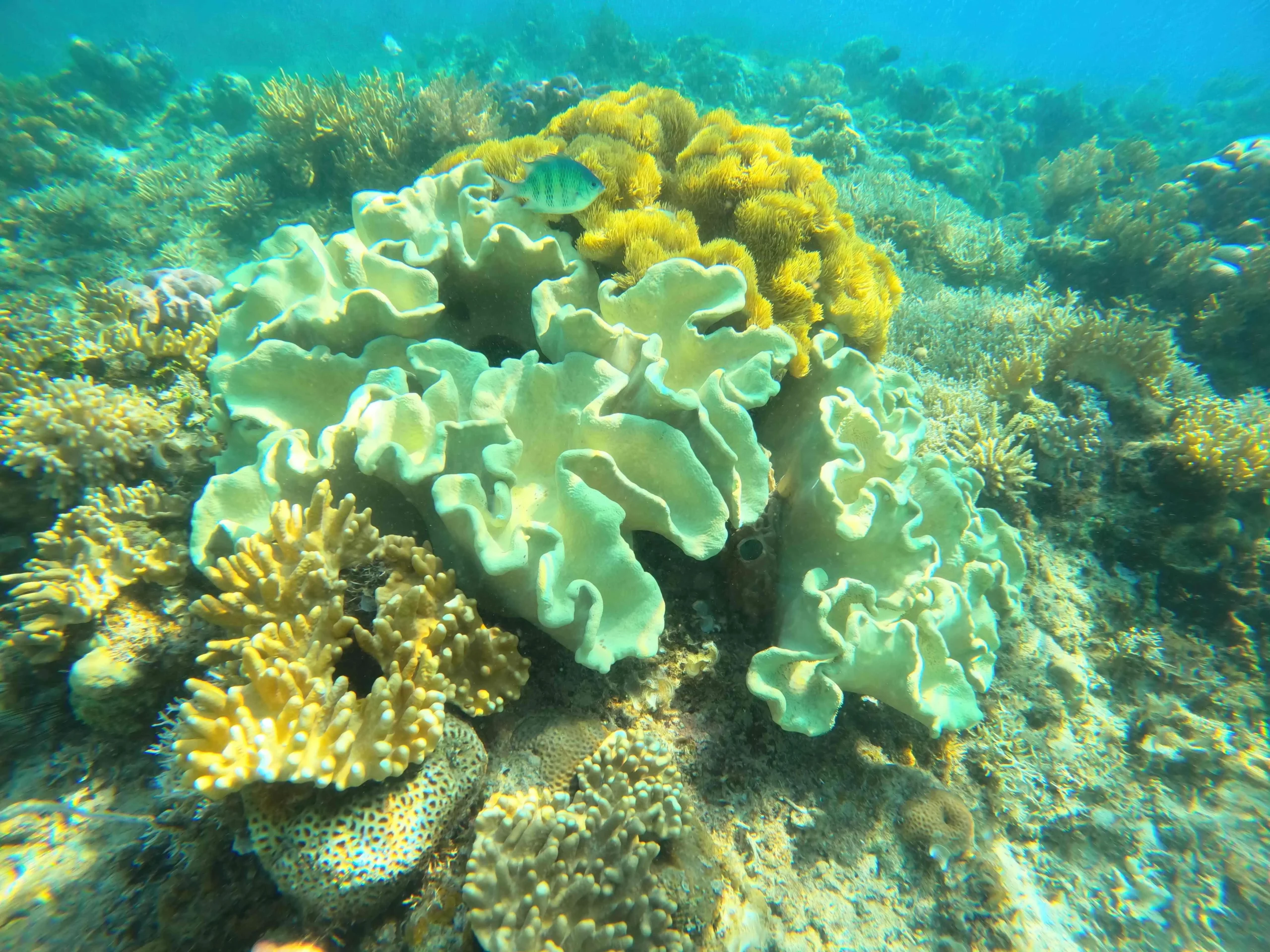
Depending on environmental conditions, rock surfaces may host corals, sponges, algae, and other organisms. Crevices can offer hiding places for smaller marine animals, while exposed areas may experience different levels of light and water movement.
The distribution of marine life depends on several factors, including water quality, temperature, light, substrate, and ecological relationships. Therefore, a particular formation does not guarantee sightings of specific species.
Divers can make their experience more meaningful by observing the ecosystem as a whole. Instead of focusing only on large or easily recognisable animals, take time to notice coral textures, small organisms, and the relationship between the rock structure and its surrounding habitat.
Responsible observation is essential. Avoid touching corals, holding onto rocks covered with marine life, or chasing animals for photographs. Good buoyancy control helps prevent accidental contact with fragile underwater environments.
5. Why Currents Matter Around Underwater Rock Formations
The shape of an underwater structure can influence how water moves around it. Current may flow along rocky surfaces, pass around exposed formations, or move through nearby channels. These patterns can vary depending on the location and tidal phase.
In Komodo, tidal movement is an important consideration when planning certain dives. Current conditions may affect the route, the effort required to move through the water, and the group’s ability to remain together.
The surface of the sea does not always reveal what is happening underwater. Consequently, understanding Komodo underwater rock formations also means recognising the importance of local conditions and professional guidance.
Before entering the water, divers should ask about the expected current, planned depth, entry and exit points, and procedures to follow if conditions change. If a location is unsuitable for the group, choosing an alternative is a responsible decision.
A successful dive does not depend on reaching a particular formation at all costs. It depends on making informed decisions, respecting personal limits, and adapting the plan to the conditions.
6. How to Explore Komodo’s Rocky Underwater Landscape Responsibly
The striking shapes of Komodo underwater rock formations can tempt divers to approach them closely for a better view or photograph. However, getting closer is not always necessary and may increase the risk of disturbing the surrounding habitat.
Maintain a comfortable distance from coral-covered surfaces and avoid using natural structures as handholds. Even brief contact can damage delicate organisms or disturb animals living among the rocks.
Divers should also monitor depth and air supply, maintain communication with their buddy, and follow the professional’s briefing. Photography should never take priority over buoyancy control or safe positioning.
Choosing a site that matches your certification and recent experience is equally important. If you are unfamiliar with strong currents or complex underwater terrain, communicate this honestly to the dive team before the trip.
These practices allow divers to appreciate the landscape while helping protect the marine environment for future visitors.
7. Discovering a Different Side of Komodo
Komodo underwater rock formations offer a perspective that complements the region’s famous coral reefs. Rocky pinnacles, irregular outcrops, and changing underwater contours create landscapes that are distinctive both visually and ecologically.
Batu Bolong provides a recognisable example of how a prominent geological structure can form part of a wider marine environment. Yet every dive site has its own characteristics, and the best experience depends on suitable conditions, thoughtful planning, and respect for the underwater ecosystem.
Learning about these formations adds context to a diving journey. Rather than viewing each site as simply another attraction, divers can begin to understand how its physical structure shapes the underwater experience.
With appropriate preparation, responsible diving practices, and a willingness to adapt to local conditions, exploring Komodo can become a more informed and rewarding experience.
Plan Your Private Komodo Journey with Escape Liveaboard
Discover Indonesia’s remarkable seascapes with Escape Liveaboard, offering private Phinisi charters for travellers seeking a more personal way to explore the ocean.
Share your interests and diving experience with the team to discuss possible destinations, activities, and itinerary arrangements based on conditions and availability.
Plan your private journey in Komodo with Escape Liveaboard.
WhatsApp: +62 811 399 677
Email: info@escapeliveaboard.com
Website: https://escapeliveaboard.com/contact/
Escape Liveaboard A Space to Reconnect and Unwind.
