
Komodo reef slopes and underwater walls reveal a fascinating side of Komodo National Park that goes far beyond colourful coral gardens. Beneath the clear blue water, the seafloor changes dramatically, from gently descending reef slopes to steep underwater walls that extend toward deeper waters. These formations create distinctive underwater scenery and support marine habitats that make each dive a different experience.
For divers, exploring these landscapes is about more than finding a beautiful view. It is an opportunity to understand how reef structures, depth, and water movement shape the underwater environment. With thoughtful planning and the right guidance, these formations can add another dimension to a diving journey in Komodo.
1. A Different Perspective Beyond the Coral Gardens
When people imagine diving in Komodo, colourful coral reefs and marine life often come to mind first. Yet the shape of the seafloor is another important part of what makes the region fascinating.
Some reefs descend gradually, creating sloping surfaces that lead from shallower areas toward deeper water. Others form steep faces that create a dramatic sense of depth and openness. These changes in elevation make the underwater landscape feel more varied than a flat reef.
As divers follow the natural contours, they can observe differences in coral growth, underwater textures, and the way marine animals move around the reef. Sometimes, the smallest details along a reef edge can be just as captivating as the wider view.
The beauty lies in this variety. Each formation offers a different perspective, making it worthwhile to slow down and appreciate the underwater landscape rather than rushing from one sight to another.
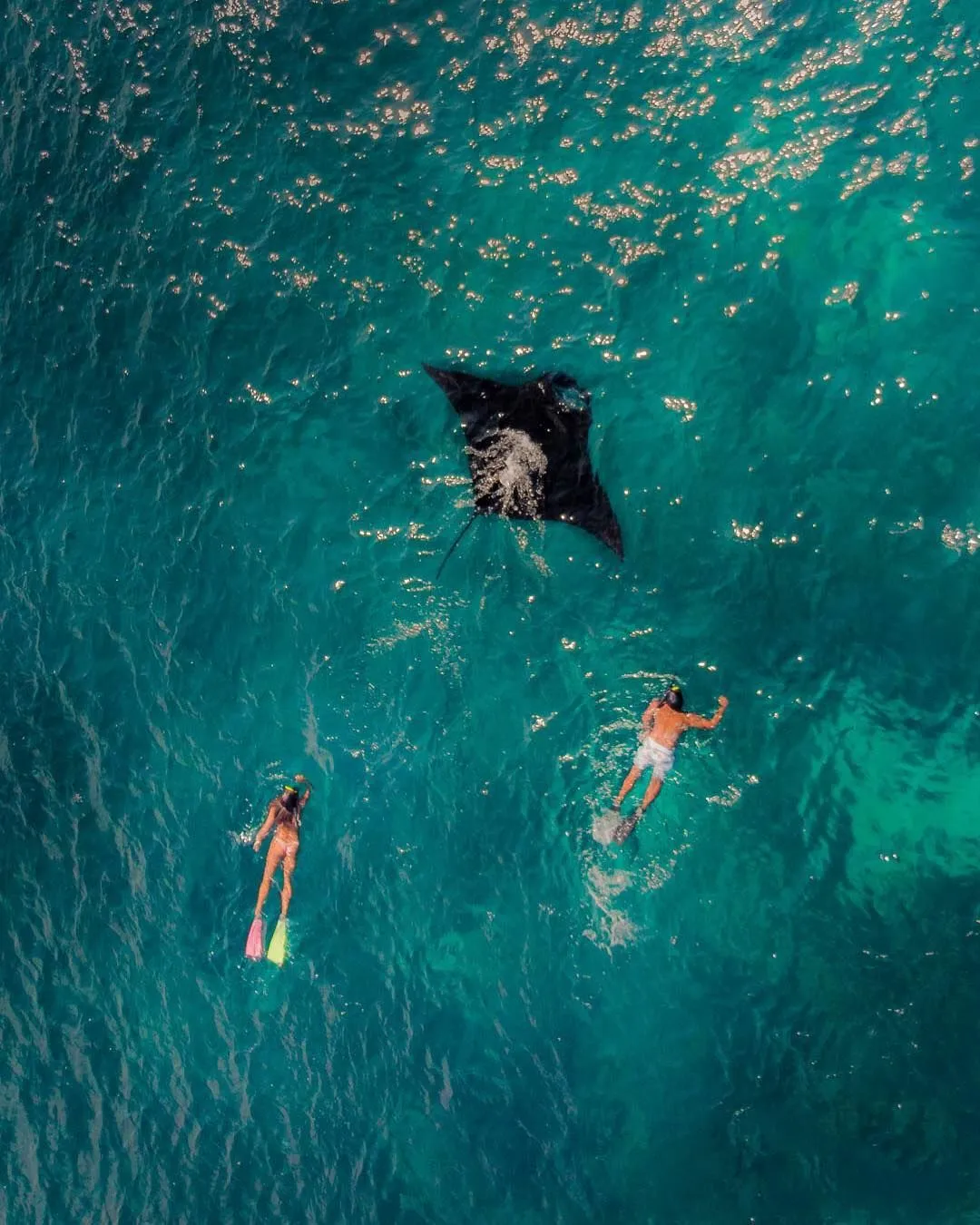
2. Understanding Komodo Reef Slopes and Underwater Walls
Komodo reef slopes and underwater walls have distinct shapes and characteristics. A reef slope descends at an angle, which may be gentle in some sections and considerably steeper in others. This creates a gradual or changing transition between shallow and deeper environments.
An underwater wall, on the other hand, features a much steeper surface. Depending on the location, it may contain ledges, crevices, and sections of exposed rock alongside coral-covered areas. Looking along a wall can reveal a striking contrast between the reef and the open blue water beyond it.
Both formations can support marine habitats. Their surfaces provide places for corals and other organisms to grow, while small openings and sheltered sections can offer hiding places for certain marine animals.
However, not every reef slope or wall has the same characteristics. The appearance of a site depends on its natural structure and environmental conditions. Divers should therefore approach each location as a unique environment rather than expecting the same scenery everywhere.
3. How These Formations Support Marine Life
The shape of an underwater reef influences the spaces available to marine organisms. Slopes offer surfaces at different depths, while walls may include ledges and crevices that provide shelter.
Light and water movement can also vary across these structures. Shallow areas generally receive more sunlight, while deeper sections experience different lighting conditions. Exposed reef faces may also experience water movement differently from sheltered areas.
These variations contribute to different microhabitats along the same formation. Divers may notice changes in coral growth, small organisms living among crevices, or fish moving around the reef structure.
Marine sightings, however, are never guaranteed. The species encountered during a dive depend on factors such as natural behaviour, environmental conditions, visibility, and timing.
Rather than focusing only on finding a particular animal, take time to observe how the reef functions as a living environment. Noticing the relationship between the structure, coral, and surrounding marine life can make the experience more rewarding.


4. Why Depth and Currents Matter
The dramatic shape of a reef slope or underwater wall also makes depth awareness especially important. A sloping reef may appear easy to follow, but divers can descend beyond their planned limits if they do not monitor their depth.
An underwater wall can create an even stronger impression of depth, particularly when the reef face extends into open water. Divers should continue monitoring their depth, air supply, and dive time throughout the activity.
Currents are another consideration when exploring Komodo. Water movement can vary around exposed reef faces, corners, and nearby channels. Conditions may also change with tides and local geography.
Before entering the water, listen carefully to the dive briefing. Understand the planned route, maximum depth, expected current, entry and exit procedures, and what to do if the group becomes separated. Follow the dive professional’s instructions and stay within your training and personal limits.
If conditions are unsuitable for the group, changing the site or adjusting the plan is the responsible choice. A memorable dive should never depend on pushing beyond safe limits.
5. Enjoying the Underwater Landscape Responsibly
The appeal of Komodo reef slopes and underwater walls comes from their natural beauty and the marine ecosystems they support. Protecting these environments helps preserve the experience for future visitors.
Maintain good buoyancy and avoid touching coral, sponges, or other marine organisms. Do not hold onto reef surfaces for stability, and keep a respectful distance from marine animals.
If you enjoy underwater photography, pay attention to your position before focusing on a shot. Getting closer is not always necessary, and protecting the reef should always take priority over capturing a particular image.
It is also important to choose a dive site that matches your certification and recent experience. If you are unfamiliar with deeper profiles, steep reef faces, or changing currents, communicate this to the dive team before the activity begins.
Responsible diving allows you to appreciate the scenery while minimising disturbance to the environment.

6. Discover a New Side of Komodo
Komodo reef slopes and underwater walls offer a different way to appreciate the region’s underwater world. Gradually descending reefs provide changing perspectives along their contours, while steep walls create a striking sense of scale and openness.
Each site has its own character, and the experience depends on the conditions on the day. With appropriate planning, awareness of depth and currents, and respect for marine life, divers can discover details that might otherwise go unnoticed.
The most rewarding underwater journeys are not always about reaching the most challenging location. Sometimes, the real highlight is taking the time to understand the landscape and appreciate the life it supports.
Plan Your Private Komodo Journey with Escape Liveaboard
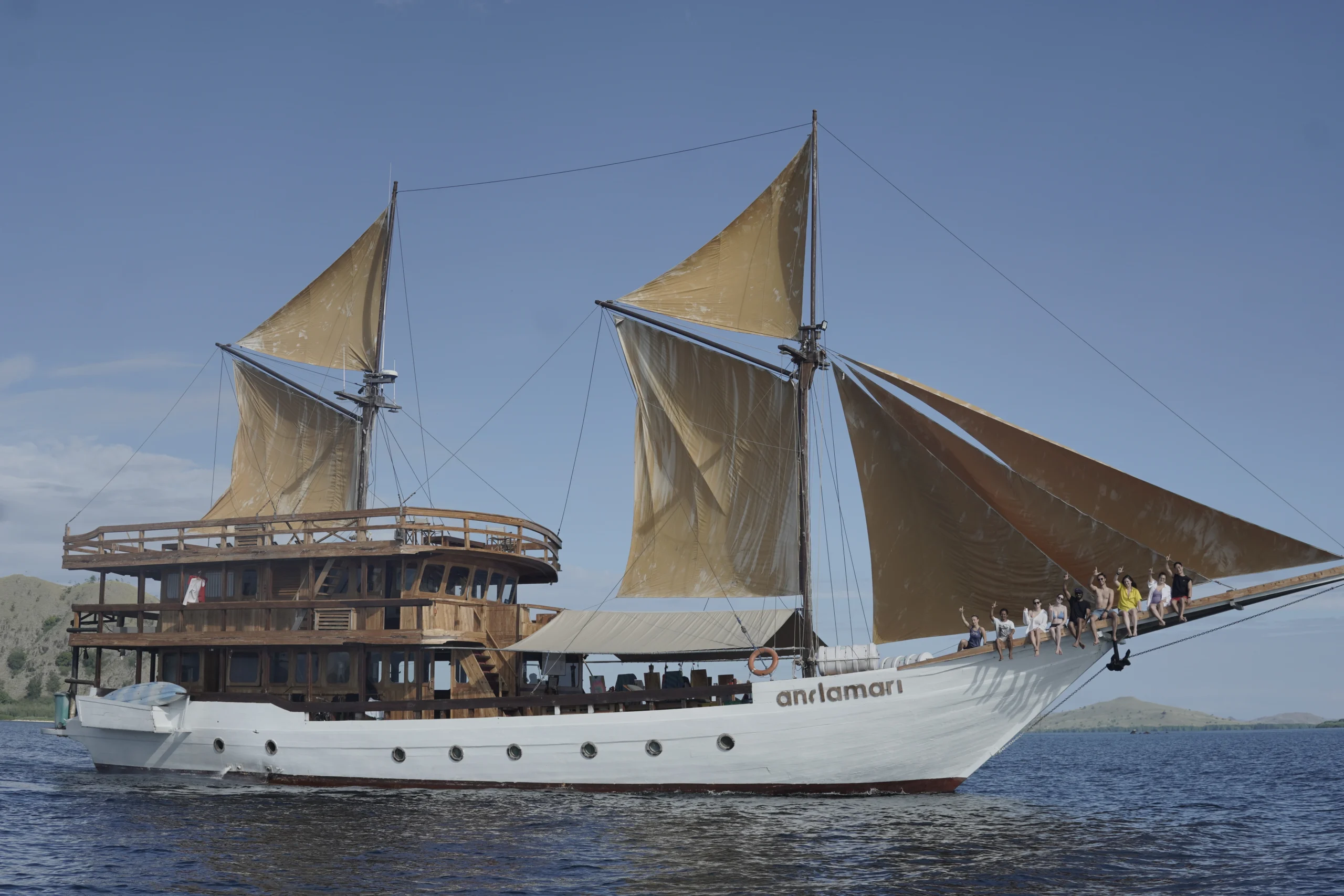
Discover Indonesia’s remarkable seascapes with Escape Liveaboard through a private Phinisi charter. Share your travel interests and diving experience with the team to discuss possible destinations and activities based on conditions and availability.
Plan your private journey in Komodo with Escape Liveaboard.
WhatsApp: +62 811 399 677
Email: info@escapeliveaboard.com
Website: https://escapeliveaboard.com/contact/
Escape Liveaboard — A Space to Reconnect and Unwind.
