
The tidal currents in Komodo are an important part of what makes diving in this Indonesian archipelago so fascinating. Beneath the surface, water moves through channels between islands, flows around reef formations, and responds to the changing relationship between the ocean and the tides. These movements help shape the underwater environment, creating different conditions from one dive site to another.
For divers, understanding these conditions is about more than safety. It also provides a deeper appreciation of Komodo’s marine landscape and explains why a dive plan should consider the location, timing, and experience level of everyone entering the water.
Why Does Komodo Have Such Dynamic Water Movement?
Komodo National Park is made up of islands separated by channels and passages of varying widths and depths. As tides rise and fall, water moves through these passages, interacting with underwater slopes, reefs, and other geographical features.
The shape of the seabed can influence how water moves through a particular area. In some places, currents may become more noticeable around narrow passages or exposed reef structures. Elsewhere, conditions may be more sheltered.
This is why the tidal currents in Komodo cannot be understood through a single rule. Conditions depend on several factors, including the location, tidal phase, local topography, and prevailing weather.
Two dive sites within the same region can offer very different experiences, even on the same day.
Do Stronger Currents Always Occur at High or Low Tide?
Not necessarily. It is easy to assume that currents are strongest exactly when the tide reaches its highest or lowest point, but water movement is more complex than that.
The relationship between tidal height and current strength depends on local geography and the way water moves through each passage. In some locations, currents may be more pronounced during the transition between tidal stages. In others, the pattern may differ.
Wind, waves, and broader ocean conditions can also influence what divers experience at the surface and underwater.
For this reason, tide tables alone are not enough to determine whether a dive site will be suitable at a particular time. They are useful planning references, but local observations and current conditions are equally important.
Understanding the tidal currents in Komodo means looking at the full picture rather than relying on a single time or prediction.
How Currents Change the Diving Experience
Currents can influence several aspects of a dive, from entry and exit points to the route a diver follows underwater.
At a suitable site and under appropriate conditions, moving water may allow divers to observe marine life in a dynamic environment. However, stronger or unpredictable currents can also make it more difficult to maintain position, navigate, and return to the planned exit point.
The experience depends on the individual site, the conditions on the day, and the diver’s ability to respond to changing circumstances.
Some dives may involve relatively gentle movement, while others may require more advanced skills and careful coordination. A location that is suitable for one diver may not be appropriate for another with less experience.
This is why choosing a dive site should never be based on its reputation alone. The actual conditions matter just as much as the destination itself.
What Do Tidal Currents Mean for Komodo’s Marine Life?
Water movement is part of the ecological system that supports marine life around Komodo. Currents can transport nutrients and plankton, influence how food moves through the water, and affect the distribution of marine organisms.
Reef structures create different microhabitats, while changes in water movement influence the conditions experienced by fish, corals, and other marine species.
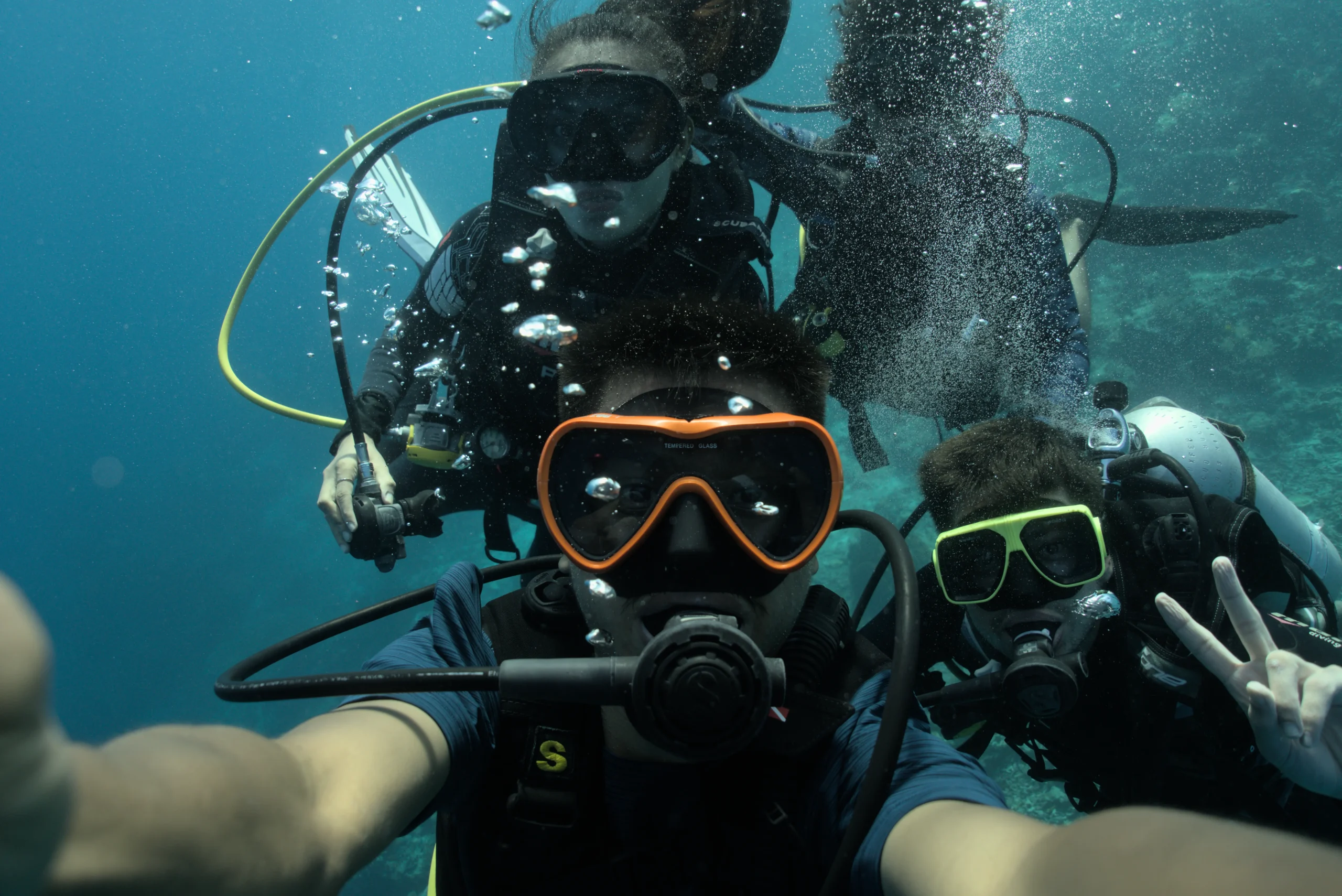
For divers, these interactions are part of the appeal of exploring Komodo underwater. Each site has its own combination of reef structures, depth, visibility, and water movement.
However, currents do not guarantee sightings of particular marine animals. Wildlife encounters remain unpredictable and depend on many environmental factors.
The more divers understand the relationship between water movement and marine habitats, the more meaningful their observations can become.
How to Choose a Dive Site Based on Current Conditions
Selecting a dive site in Komodo requires more than choosing a location from a list of popular destinations. Conditions should be assessed on the day, with attention to the abilities and comfort levels of everyone in the group.
Before a dive, consider the following:
- Experience level: Choose a site that matches your certification, practical skills, and comfort in moving water.
- Tidal information: Use tide predictions as one part of the planning process rather than the only deciding factor.
- Local assessment: Ask a qualified dive professional about current conditions, entry and exit points, and the planned underwater route.
- Equipment and briefing: Make sure you understand the dive plan, communication signals, and procedures for changing conditions.
- Flexibility: Be prepared for the team to select another site if conditions are unsuitable.
A well-planned dive is not about reaching the most famous location at all costs. It is about choosing the right conditions for a rewarding and responsible experience.
Why Local Knowledge Matters in Komodo
Komodo’s underwater environment can change significantly across relatively short distances. Local knowledge helps dive professionals interpret the conditions at a particular site and decide whether it is appropriate for the group.
A qualified guide can explain the planned route, highlight potential challenges, and communicate what divers should expect before entering the water. The guide can also help the team adapt when conditions differ from expectations.
For visitors unfamiliar with the region, this guidance offers valuable context that cannot always be gained from general descriptions or tide charts alone.
The tidal currents in Komodo are one reason careful planning and professional guidance are essential parts of the diving experience.
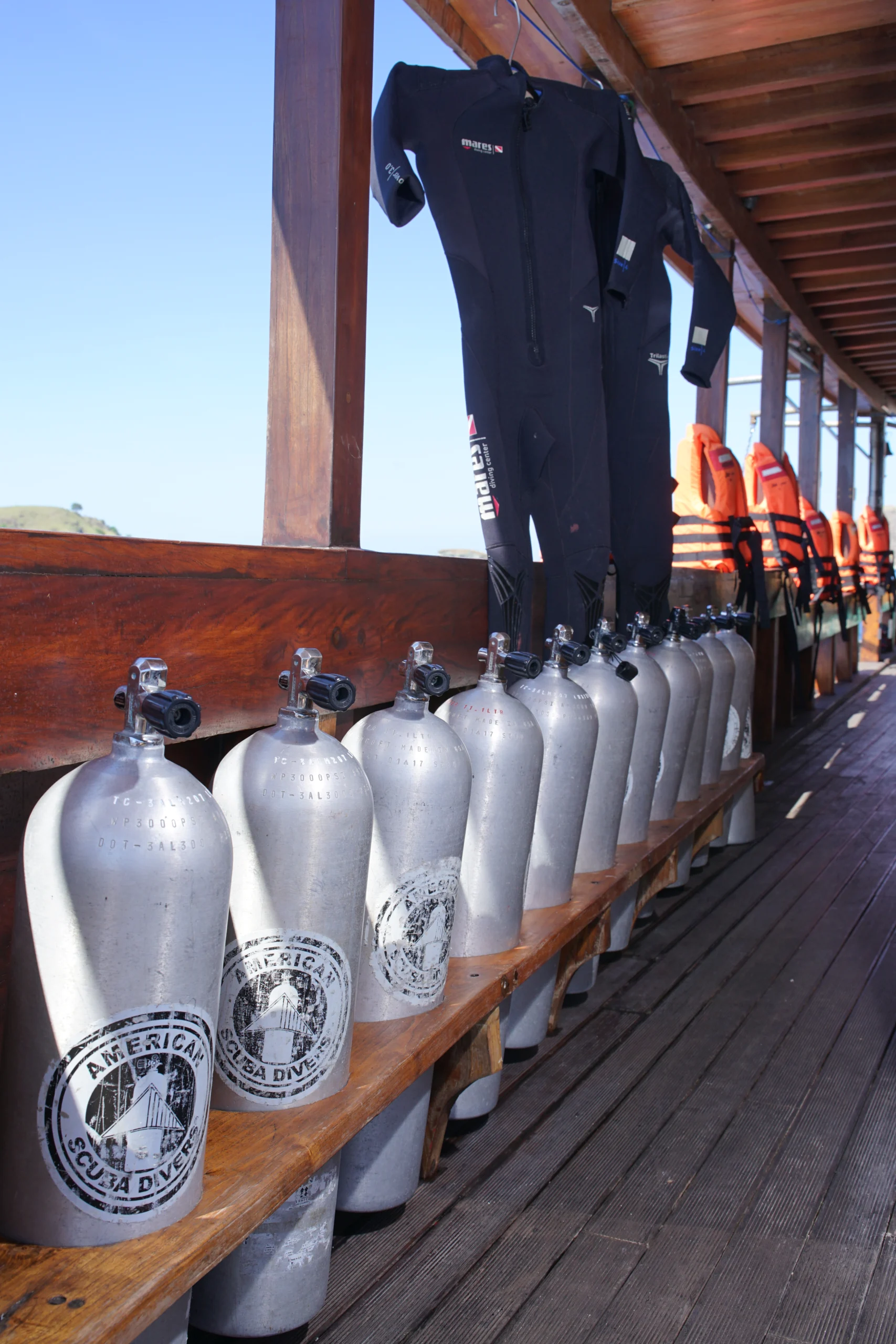
Plan a More Thoughtful Komodo Diving Journey
A memorable diving trip begins long before the first descent. Understanding the ocean, choosing suitable sites, and allowing room for changing conditions can make the experience more comfortable and rewarding.
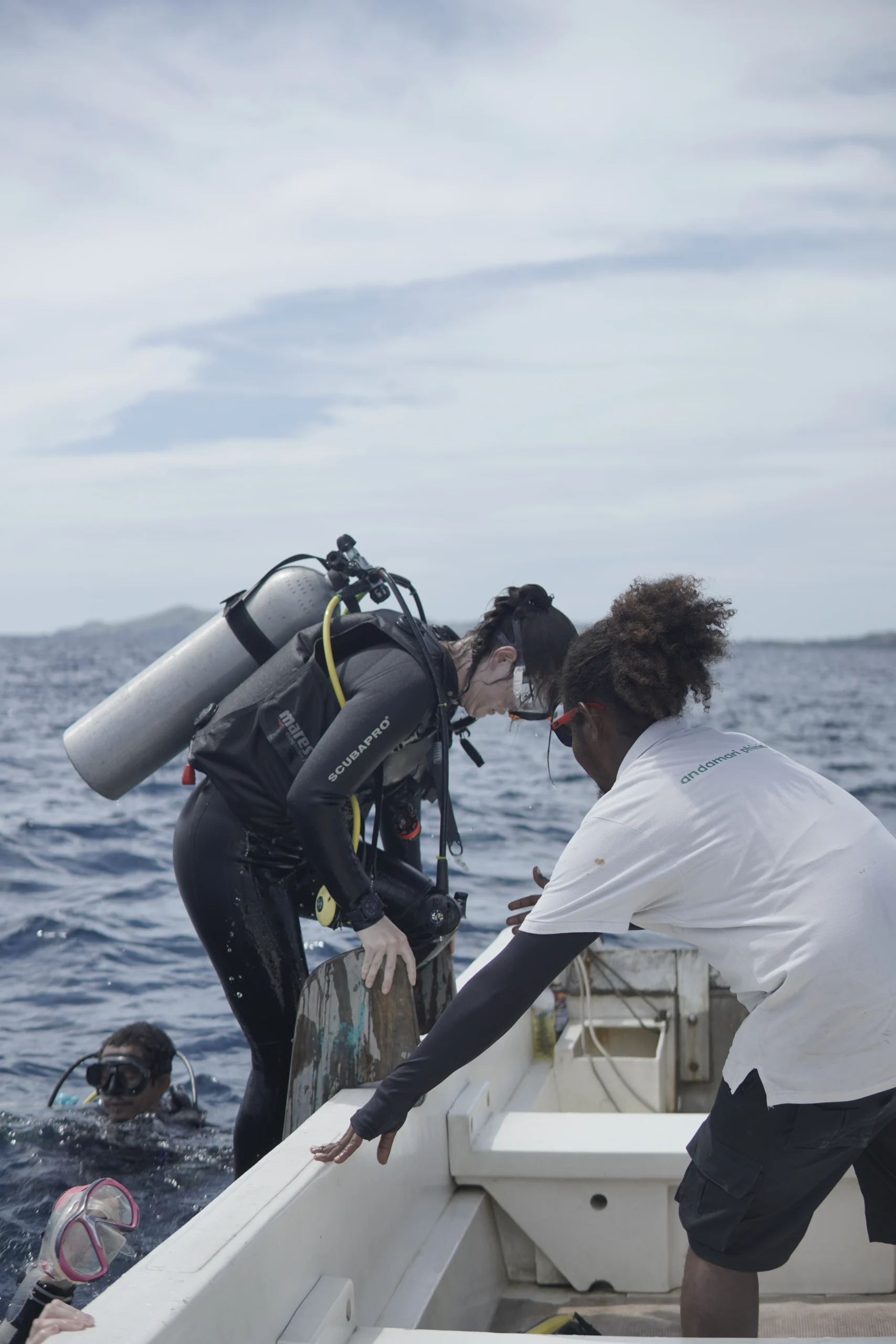
A private liveaboard journey offers the opportunity to explore Komodo by sea while coordinating daily plans around the trip’s itinerary and the conditions encountered along the way. The final selection of dive sites and activities should always depend on current conditions, guest experience, and operational assessment.
With Escape Liveaboard, guests can plan a private journey through Komodo while enjoying time to reconnect with nature and the people they travel with.
Plan your private Komodo journey with Escape Liveaboard.
WhatsApp: +62 811 399 677
Email: info@escapeliveaboard.com
Website: https://escapeliveaboard.com/contact/
Escape Liveaboard A Space to Reconnect and Unwind.
