
Imagine floating in clear tropical water as a manta ray glides beneath you, its broad fins moving gracefully through the sea. For many ocean lovers, snorkeling with manta rays in Komodo is a dream experience. These remarkable animals are known for their impressive size and effortless movements, making an encounter in the wild feel truly extraordinary.
However, seeing manta rays is not simply about visiting a famous snorkeling spot. Ocean conditions, wildlife behavior, swimming ability, and responsible snorkeling practices all influence the experience. Understanding these factors before entering the water can help you enjoy Komodo’s marine environment with greater confidence and respect.
Whether you are planning a private sailing holiday or adding a snorkeling excursion to your Komodo itinerary, knowing what to expect will help you prepare for a more rewarding journey.
Why Manta Rays Are One of Komodo’s Most Fascinating Marine Encounters
Manta rays are among the most captivating animals found in tropical waters. Their large, wing-like pectoral fins allow them to move through the ocean with smooth, sweeping motions. Watching one glide underwater can feel almost like watching a bird fly through the sky.
These gentle giants feed mainly on plankton and other small organisms suspended in the water. Their movements can be influenced by food availability and local environmental conditions, which is one reason their presence cannot be predicted with certainty.
For snorkelers, an encounter offers a chance to observe marine wildlife in its natural habitat rather than in a controlled environment. The manta ray decides where to swim, how long to remain in an area, and whether to approach or move away.
That unpredictability is part of the experience. The most memorable encounters often begin with patience, calm observation, and an understanding that the ocean does not follow a fixed schedule.
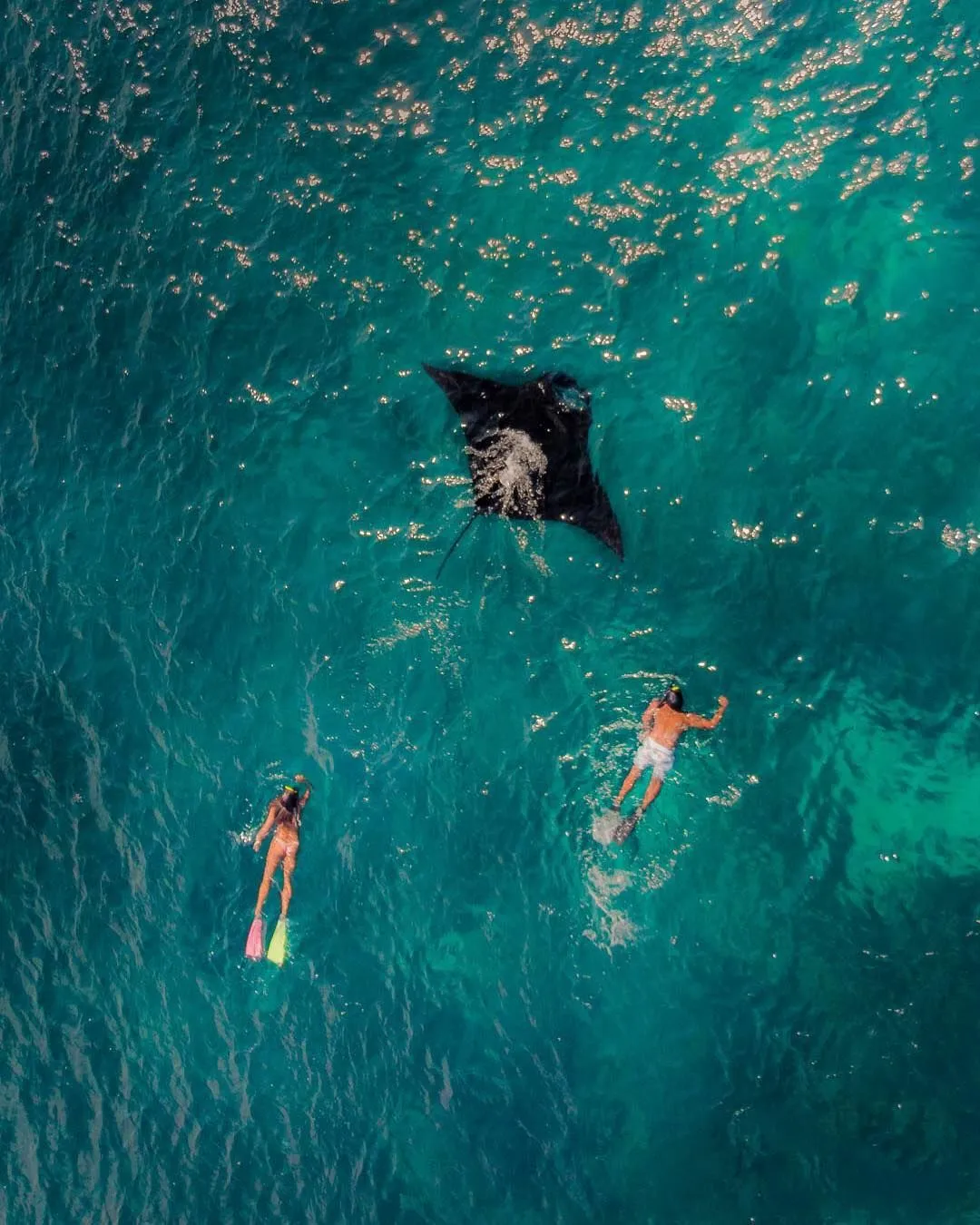
Where Can You Find Manta Rays in Komodo?
Komodo National Park is known for its diverse marine environments, including reef systems and channels where manta rays may be encountered. Manta Point is one of the best-known locations associated with manta ray sightings, attracting both snorkelers and divers when conditions are suitable.
However, a famous location does not guarantee a sighting. Manta rays are wild animals, and their presence may change from day to day. Visiting a well-known site does not necessarily mean you will see one during your excursion.
The suitability of a location for snorkeling also depends on current conditions. Water movement, waves, visibility, boat activity, and the position of the animals can influence whether entering the water is appropriate.
For this reason, choosing where to snorkel should involve more than following recommendations from travel blogs or relying on another visitor’s experience. A local guide or experienced crew can assess the conditions and help determine whether a particular location is suitable on the day.
Understand Komodo’s Ocean Conditions Before You Snorkel
One of the most important things to know about Komodo is that the sea can be more dynamic than it appears from the surface. Conditions may vary between islands, reefs, and channels, even within the same day.
Tidal movements and the shape of the surrounding coastline can influence currents. Wind and waves may also affect surface conditions, visibility, and how comfortable it is to remain in the water.
This matters because snorkeling in open water requires more than the ability to float or swim in a pool. A location that looks calm from a boat may still have water movement that requires extra caution.
Before entering the sea, discuss these points with your guide:
- Current strength and direction: Understand the expected water movement and whether the location is appropriate for your swimming ability.
- Weather and waves: Ask whether the conditions are suitable for entering and exiting the water comfortably.
- Swimming confidence: Be honest about your experience in open water and ask what support is available.
- Entry and exit arrangements: Follow the crew’s instructions about where to enter, where to swim, and how to return safely.
- Changing conditions: Be prepared to adjust the plan or skip an activity if conditions are unsuitable.
A responsible excursion prioritizes safety over the desire to get closer to a manta ray. If the conditions are not appropriate, choosing another location or activity is the better decision.
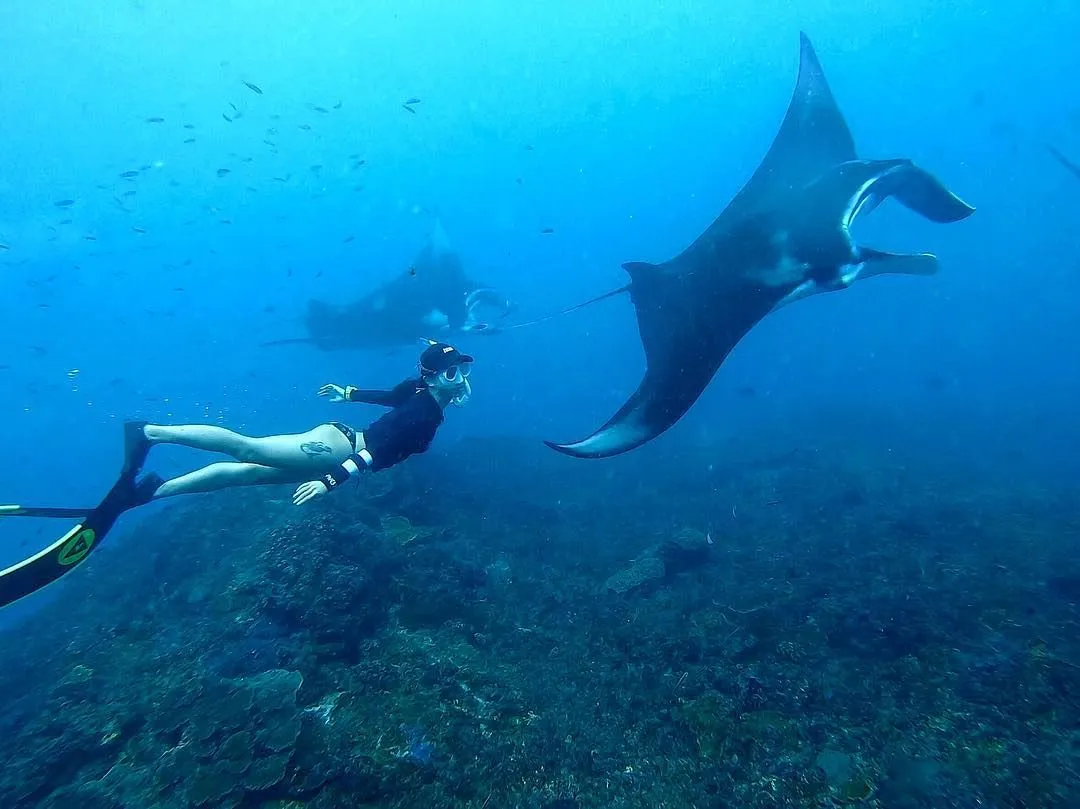
How to Observe Manta Rays Without Disturbing Them
Seeing a manta ray in the water can be exciting, especially when it swims close enough to observe its size and graceful movements. That excitement can tempt visitors to swim faster, approach the animal, or position themselves for a better photograph.
Yet, chasing or crowding a manta ray can disturb its natural behavior. It can also create unnecessary risks for snorkelers in moving water.
The best approach is to remain calm, give the animal space, and allow it to move freely. Follow the instructions of your guide and avoid trying to control the encounter.
Keep these responsible snorkeling practices in mind:
- Never touch, grab, or attempt to ride a manta ray.
- Do not chase the animal if it swims away.
- Avoid blocking its path or surrounding it with a group of swimmers.
- Move calmly and avoid sudden movements.
- Maintain the distance recommended by your guide or local operator.
- Keep photography secondary to safety and respectful wildlife observation.
Responsible behavior helps protect marine life while allowing visitors to appreciate manta rays in their natural environment. The goal is not to force a close encounter, but to experience the animal without interfering with its movements.
What If You Do Not See Any Manta Rays?
Even at well-known manta ray locations, sightings are never guaranteed. Manta rays move in response to natural conditions, and their presence can vary depending on food availability, water movement, and other environmental factors.
It is best to approach the excursion with curiosity rather than treating a sighting as a guaranteed result. This mindset makes the experience more enjoyable and leaves room to appreciate other aspects of Komodo’s underwater world.
Depending on the location and conditions, you may still be able to observe coral formations, reef fish, and other marine life. Your crew may also consider an alternative snorkeling location or another activity if the original plan is no longer suitable.
Flexibility is particularly valuable when exploring a natural destination. A successful day on the water is not defined by a single wildlife encounter, but by the opportunity to experience the marine environment safely and respectfully.
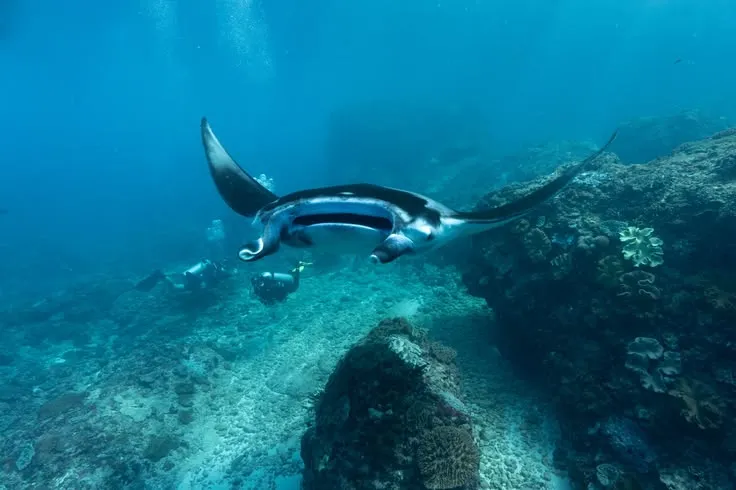
What Should You Prepare for a Manta Ray Snorkeling Trip?
A little preparation can make your snorkeling experience more comfortable. Before departure, confirm with your operator which equipment is provided and whether there are any specific requirements for the planned excursion.
Consider bringing or checking the availability of:
- A well-fitting mask and snorkel: Comfortable equipment makes it easier to see underwater and breathe naturally.
- Suitable fins: Choose fins that fit properly and match your swimming ability.
- Sun protection: Consider protective clothing and follow local recommendations for products suitable for marine environments.
- Drinking water: Staying hydrated is important during activities in tropical weather.
- A towel and dry clothes: These are useful after returning to the boat.
- A waterproof camera: If you want to capture the experience, make sure it is secure and does not distract you from your surroundings.
If you are not a confident swimmer, let the operator know before the trip. Ask about available flotation equipment and supervision, and follow the crew’s advice about whether the planned activity is suitable for you.
Most importantly, do not feel pressured to enter the water if you are uncomfortable. Enjoying the ocean also means recognizing your own limits.
Explore Komodo at Your Own Pace with Escape Liveaboard
Komodo is more than a destination for manta ray encounters. Its islands, varied marine landscapes, and open-water scenery make it a remarkable place to explore by sea.
A private liveaboard journey offers the opportunity to experience the region at a more personal pace. Daily plans can be coordinated around the itinerary, guest preferences, weather, and local sea conditions. Specific snorkeling locations and activities remain subject to operational arrangements and an assessment of conditions at the time.
Escape Liveaboard offers private Phinisi sailing journeys for travelers who want to discover Komodo while enjoying time on the water with family, friends, or a special group. Whether or not manta rays appear, the journey can still provide meaningful opportunities to appreciate the islands and marine environment.
The most rewarding encounters are those enjoyed with patience, preparation, and respect for nature. With realistic expectations and guidance from an experienced crew, your Komodo journey can become a memorable part of your time in Indonesia.
Plan your private Komodo journey with Escape Liveaboard.
WhatsApp: +62 811 399 677
Email: info@escapeliveaboard.com
Website: https://escapeliveaboard.com/contact/
Escape Liveaboard A Space to Reconnect and Unwind.
