
Some of the most memorable dives are not defined by how deep you go, but by how the ocean moves around you. Current-swept reefs in Komodo offer divers a chance to experience an underwater environment shaped by moving water, thriving marine habitats, and constantly changing conditions. These reefs can be fascinating to explore, but they also require preparation, awareness, and respect for the power of the sea.
Komodo is known for its dynamic marine environment, where currents can vary between islands, channels, and reef systems. For divers, understanding these movements is an important part of choosing suitable dive sites and enjoying the underwater landscape responsibly.
Whether you are planning your first diving trip to Komodo or returning to explore more of its reefs, knowing what currents can mean for your dive will help you approach each underwater experience with greater confidence.
Why Currents Matter to Komodo’s Reefs
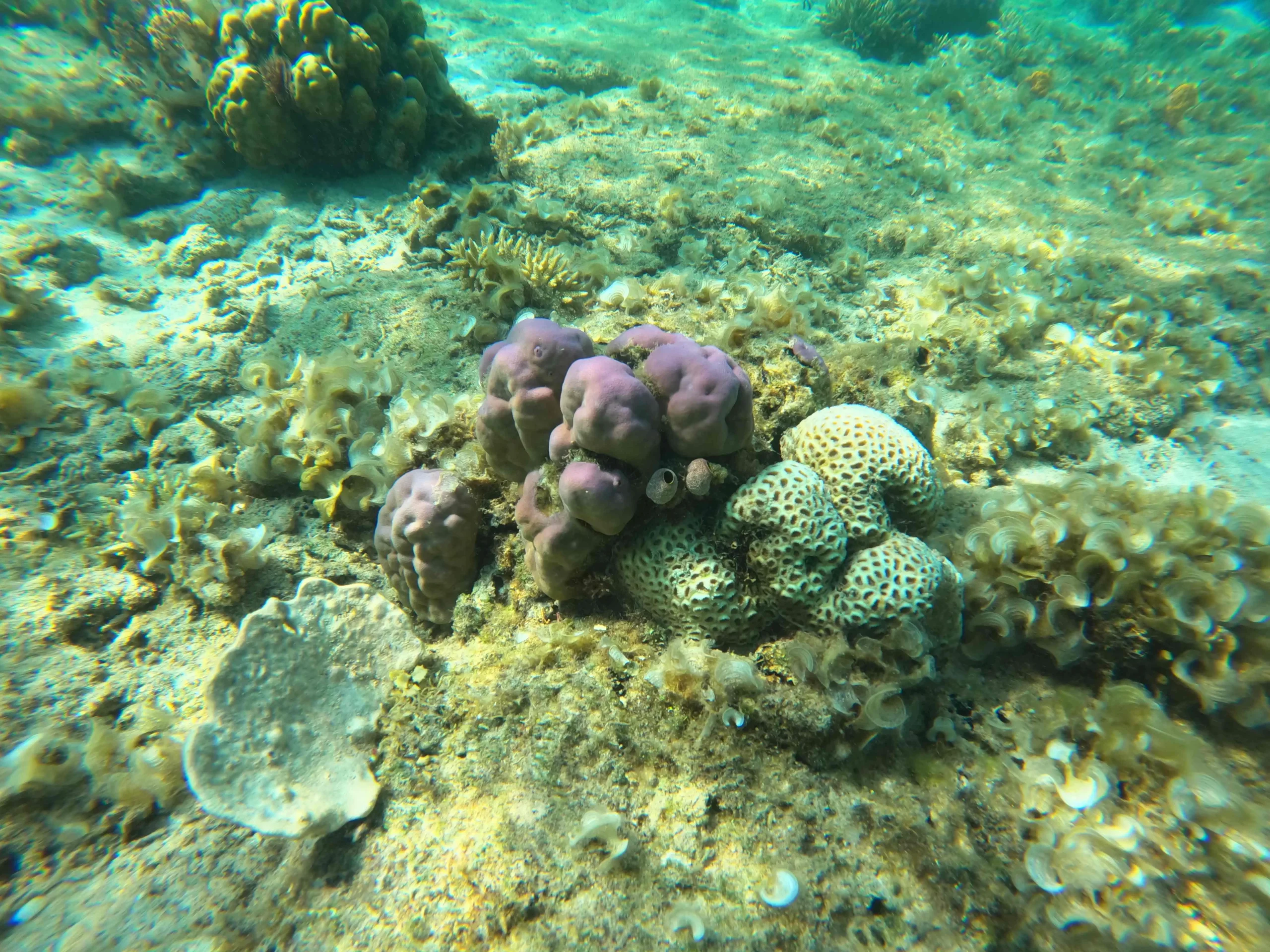
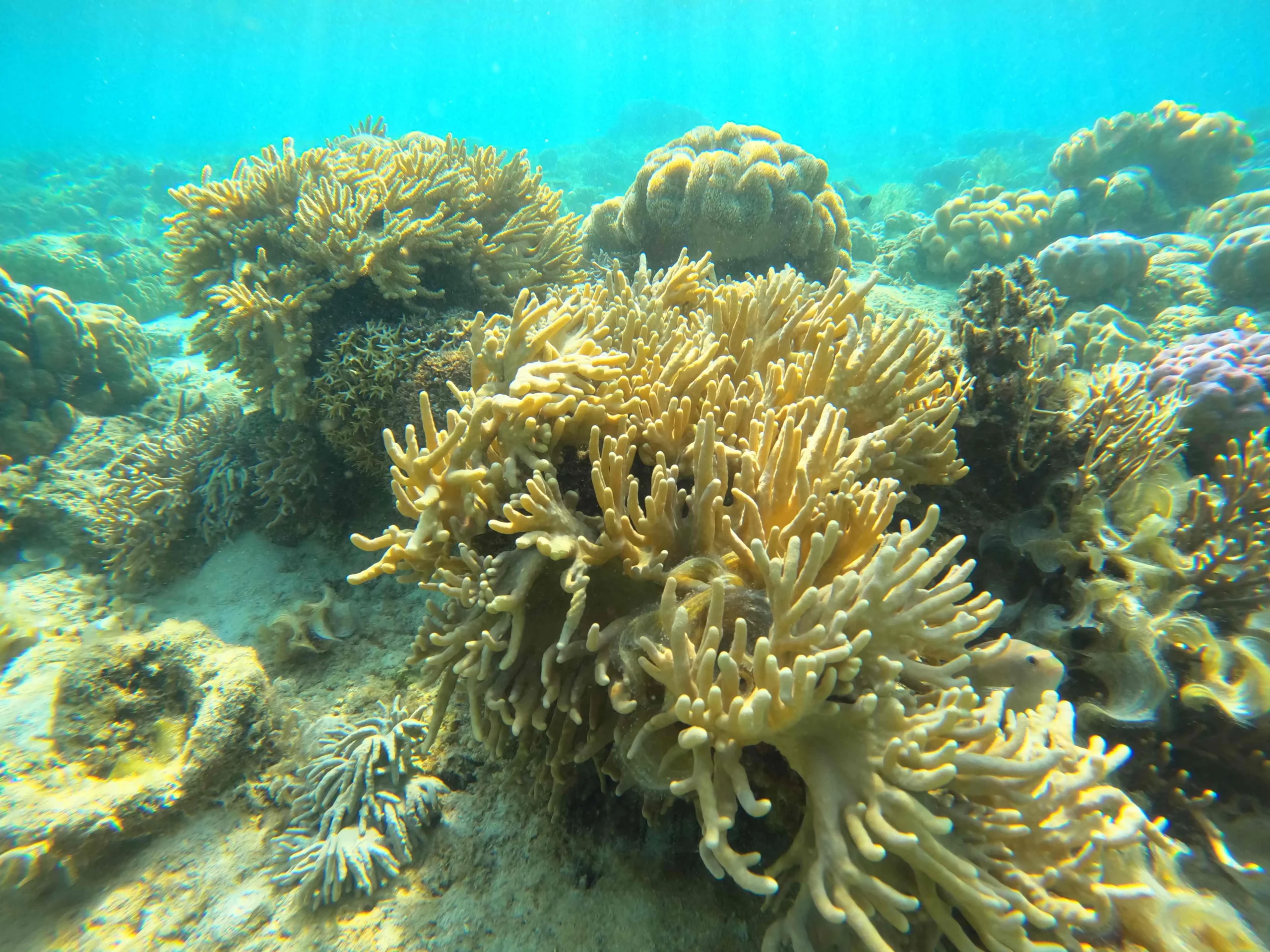
Currents are an important part of a reef’s environment. Moving water can transport nutrients and plankton, helping support the marine food web. The flow of water also influences how marine organisms interact with their surroundings.
On current-exposed reefs, divers may notice corals, reef fish, and other marine life living in an environment where water movement is a regular feature. The appearance and activity of a reef can vary depending on the location and prevailing conditions.
However, stronger currents do not automatically mean more marine life or a better dive. Every reef has its own characteristics, and the underwater experience depends on many factors, including habitat, visibility, weather, and the conditions at the time of the dive.
Understanding this relationship helps divers appreciate the reef as a living ecosystem rather than simply a place to swim through.
What Makes Current-Swept Reefs Different?
The defining feature of current-swept reefs in Komodo is the influence of moving water on the diving environment. Depending on the location, currents may flow around headlands, through channels between islands, or across exposed reef areas.
These movements can affect a diver’s position, swimming effort, and ability to remain with a group. They may also influence where marine life gathers and how easily divers can observe it.
Some dives take place in relatively sheltered conditions, while others may involve noticeable water movement. Conditions can also differ between the surface and the reef below, so a calm-looking sea should never be treated as proof that currents are weak.
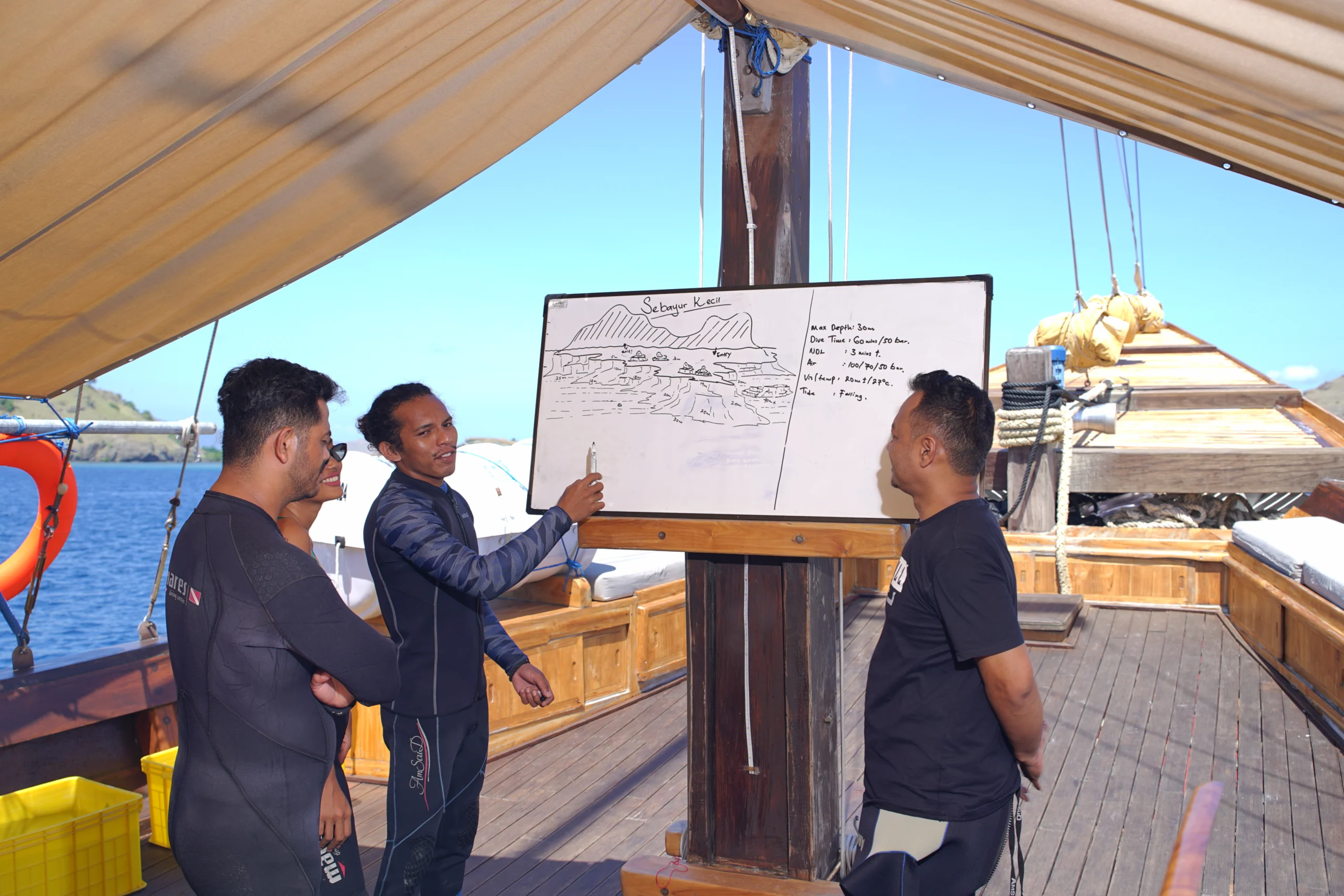
This is why site selection matters. An experienced local dive guide can assess the conditions, consider the group’s experience, and determine whether a site is appropriate for the planned dive.
Understanding Different Types of Currents
Not all currents behave in the same way. Understanding a few common patterns can help divers follow briefings and recognize why a particular site may require extra attention.
Tidal currents are associated with the movement of water as tides rise and fall. Their strength and direction can vary according to local geography and the stage of the tidal cycle.
Channel currents may develop as water moves through narrow passages between islands. The shape and depth of a channel can influence how the water flows.
Surge and wave-driven movement can affect exposed reefs, especially when waves interact with underwater structures. This movement may make it harder to maintain a stable position close to the reef.
These patterns can overlap, and actual conditions are not always easy to predict from a map or tide table alone. Local knowledge and an assessment close to the dive time remain essential.
The Challenges Divers Should Prepare For
Diving in current-influenced environments can be rewarding, but it is not suitable for every diver under every condition. Water movement may increase swimming effort, separate divers from their group, or make it difficult to remain in a planned position.
Before entering the water, divers should pay attention to several important factors.
- Experience and ability: Be honest about your comfort level in moving water. Choose dives that match your training and experience.
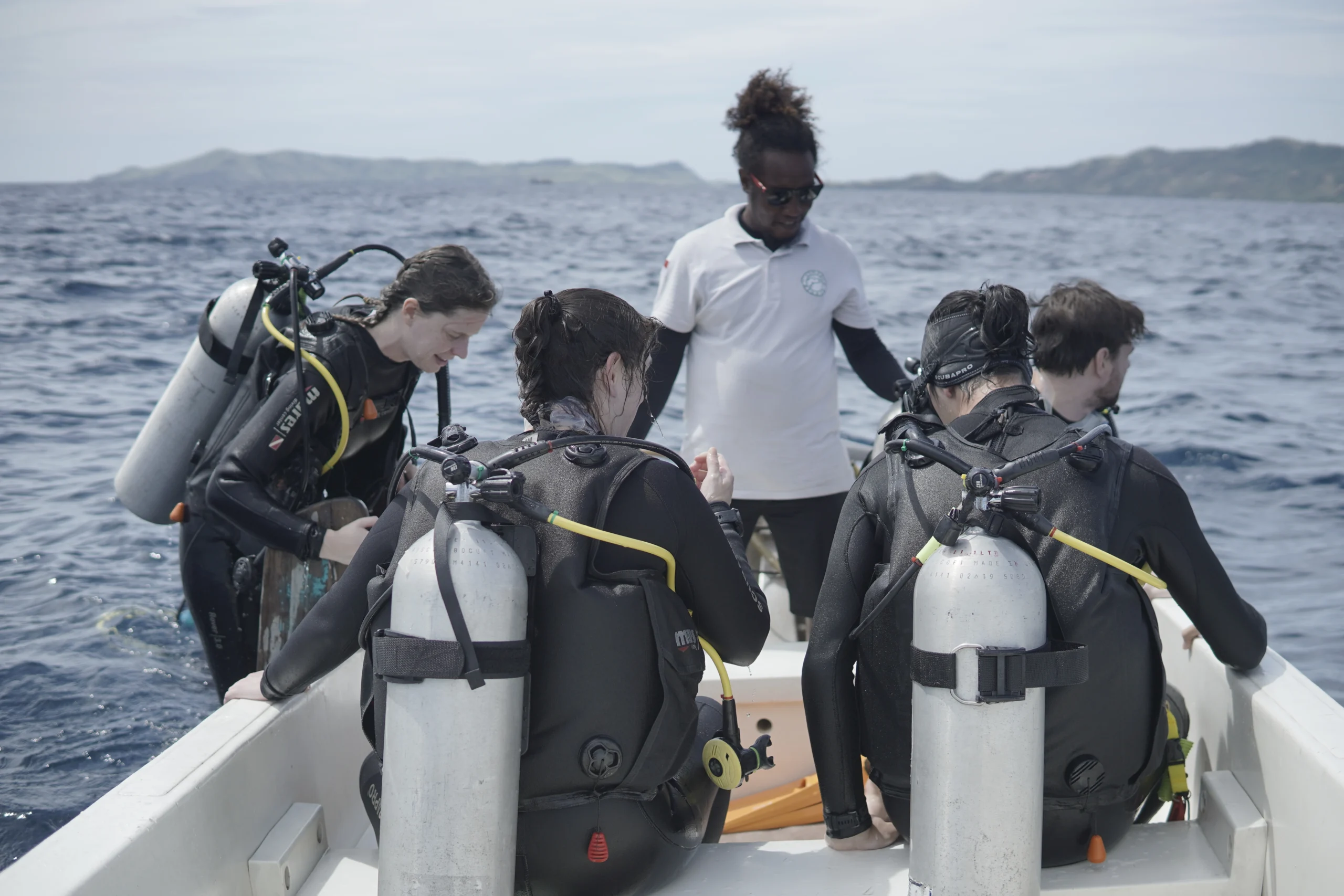
- Dive briefing: Understand the planned route, entry and exit procedures, group signals, and what to do if you become separated.
- Buoyancy control: Good buoyancy helps divers avoid accidental contact with coral and reduces unnecessary effort underwater.
- Air consumption: Swimming against a current can increase exertion and air use. Monitor your air supply and follow your guide’s instructions.
- Equipment and surface procedures: Use the signaling and safety equipment specified by your dive operator, and understand the plan for returning to the boat.
- Changing conditions: Be prepared for a dive to be modified, moved, or canceled if the conditions are unsuitable.
Never try to prove your ability by fighting a strong current. Follow the dive leader’s instructions and use established procedures rather than improvising in the water.
How to Protect the Reef While Diving in Current
Currents can make it more difficult to control your position near a reef. A sudden movement or loss of buoyancy may bring a diver into contact with delicate coral, which can be damaged by even brief physical contact.
Good diving habits help protect the reef and make the experience safer.
Maintain neutral buoyancy, keep a suitable distance from the reef, and avoid touching coral or disturbing marine animals. Secure loose equipment that could drag across the seabed, and be careful with fins when swimming near fragile structures.
If the current makes it difficult to stay in a safe position, do not force yourself closer to the reef for a better photograph. Follow your guide’s instructions and prioritize a controlled, safe dive.
Respecting the underwater environment is especially important in places like Komodo, where the health of marine habitats contributes to the region’s natural appeal.
Is Komodo Suitable for Beginner Divers?
Komodo offers a range of diving environments, but not every site is appropriate for beginners. Some locations may have relatively manageable conditions, while others can experience stronger or more complex currents.
Suitability depends on the specific site, conditions on the day, and the diver’s training and experience. There is no single rule that makes every current-exposed reef safe or unsafe for all beginners.
If you are new to diving, tell your operator about your certification level and recent experience. Ask for a site that matches your ability, and do not feel pressured to join a dive that exceeds your comfort level.
More experienced divers should also avoid becoming complacent. Familiarity with diving does not remove the need to assess conditions, listen to the briefing, and follow the guide’s decisions.
Make Every Komodo Dive Part of a Bigger Journey
Exploring Komodo underwater is about more than finding the strongest current or the most challenging reef. It is about discovering how the ocean shapes a remarkable marine environment while understanding when to explore and when to adapt.
A private liveaboard journey offers the opportunity to explore the region by sea and coordinate dive plans around the itinerary, guest experience, weather, and local conditions. The choice of dive sites and the feasibility of each dive depend on the operator’s assessment and the conditions at the time.
Escape Liveaboard offers private Phinisi journeys for travelers who want to experience Komodo with a more personal approach. With thoughtful planning and guidance from qualified local professionals, divers can focus on enjoying the underwater world while treating its natural environment with care.
The most rewarding dive is not necessarily the one with the strongest current. It is the one that suits your ability, respects the conditions, and allows you to appreciate the reef without compromising safety.
Plan your private Komodo journey with Escape Liveaboard.
WhatsApp: +62 811 399 677
Email: info@escapeliveaboard.com
Website: https://escapeliveaboard.com/contact/
Escape Liveaboard A Space to Reconnect and Unwind.
