
Choosing where to dive is about more than finding the most famous underwater location. The right site should match your training, recent experience, comfort in the water, and ability to handle the conditions you may encounter. Understanding how to choose a dive site can help you enjoy the underwater world while making responsible decisions about your safety.
This is particularly important in Komodo, where underwater landscapes range from sheltered reefs to locations that may experience stronger or more complex currents. A site that offers an incredible experience for an experienced diver may not be suitable for someone who is still developing basic skills.
Whether you are planning your first diving holiday or returning to explore more challenging underwater environments, choosing a suitable site is an essential part of a successful dive.
Start with Your Certification and Recent Experience
Your diving certification provides a starting point for understanding which types of dives you have been trained to undertake. However, certification alone does not tell the whole story.
Two divers with the same qualification may have very different levels of confidence and practical experience. One may have completed several recent dives in open water, while another may not have dived for months or years.
Before choosing a site, consider:
- Your current certification and any relevant specialty training.
- The number of dives you have completed.
- How recently you last dived.
- Your experience with currents, waves, and changing visibility.
- Your comfort with entries, exits, and staying with a dive group.
Be honest with your dive operator about your experience. Sharing this information helps the team assess whether a planned site is appropriate and whether a different location would provide a more comfortable experience.
Understand the Different Types of Dive Sites
Not every dive site presents the same challenges. Understanding the environment can help you identify which locations may suit your abilities.
Sheltered Reefs
Sheltered reef sites may offer more manageable conditions when the weather, visibility, and water movement are favorable. They can be useful for divers who want to build confidence, practice buoyancy, and become more comfortable observing marine life underwater.
However, a sheltered location is not automatically safe in every condition. Waves, currents, and visibility still need to be assessed before the dive.
Reefs Exposed to Currents
Some reefs are influenced by stronger or changing water movement. These environments may require better buoyancy control, awareness of the group, and the ability to follow a dive plan without unnecessary exertion.
Divers should not select a current-exposed site simply because it is popular or appears more adventurous. The site’s conditions must match their training and experience on that particular day.
Walls, Channels, and More Complex Environments
Wall dives, channels, and other complex underwater environments can involve additional considerations, including depth, current direction, navigation, and exit arrangements.
These sites may be appropriate for divers with the relevant experience and guidance, but suitability depends on the specific location and conditions. Ask your operator what the dive involves rather than relying on the site’s reputation alone.
Why Buoyancy Control Matters
Buoyancy control is one of the most important skills to consider when deciding where to dive. It helps you maintain a comfortable position in the water, manage your depth, and avoid accidental contact with coral.
Divers who are still developing buoyancy skills may benefit from sites that provide suitable conditions for practice. Locations with strong currents or delicate reef structures can make maintaining a controlled position more demanding.
Good buoyancy also supports marine conservation. By keeping an appropriate distance from the reef, you reduce the risk of damaging coral or disturbing marine animals.
If you are unsure about your buoyancy, tell your guide before the dive. A suitable site and a well-planned dive can help you build confidence without unnecessary pressure.
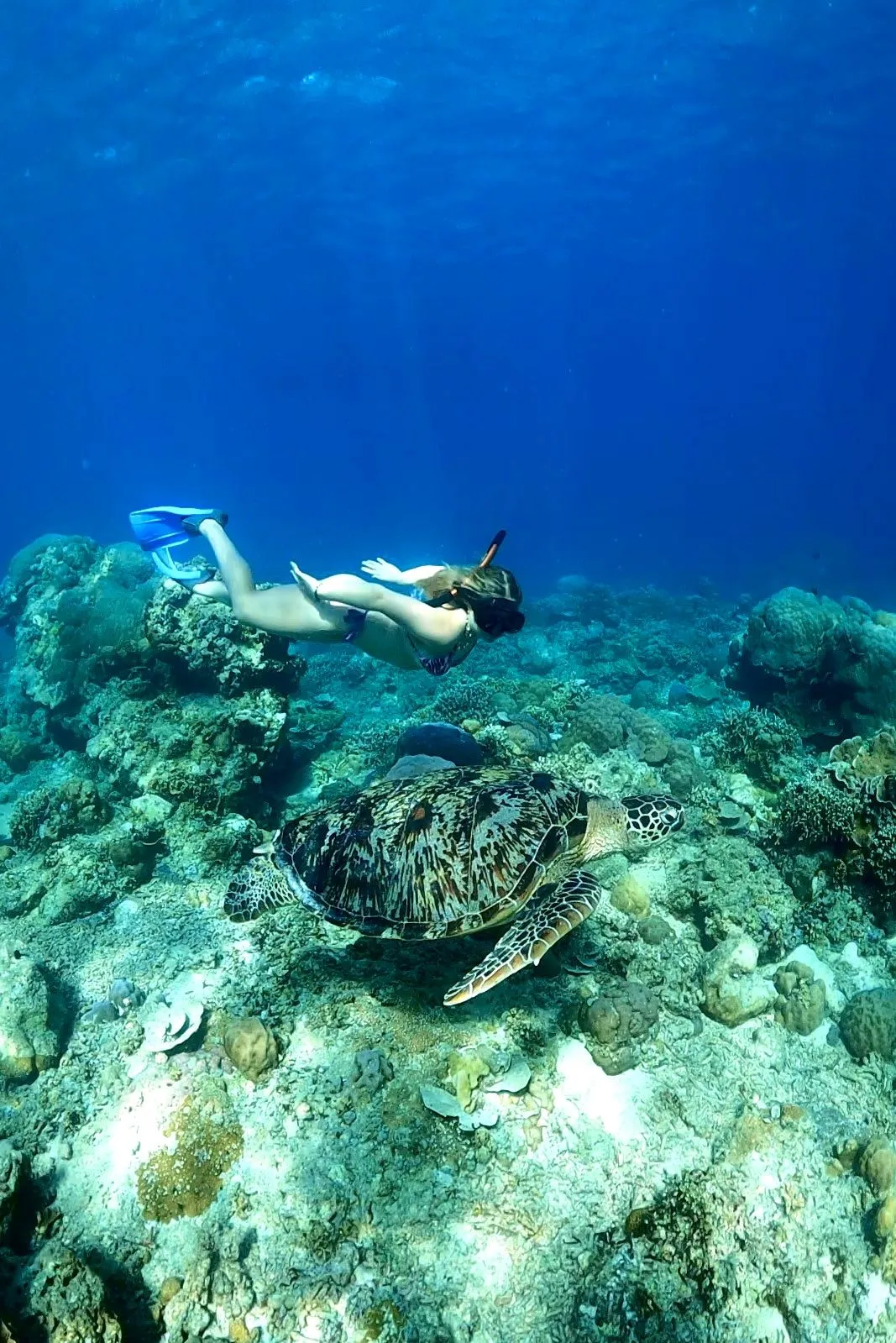
Be Honest About Your Comfort with Currents
Currents are an important consideration in many diving destinations, including Komodo. Water movement can vary between sites and may change with tides, local geography, and prevailing conditions.
A diver’s ability to manage currents depends on more than physical fitness. Experience, buoyancy control, air management, awareness, and the ability to follow instructions all matter.
Before entering the water, ask your guide about the expected current strength and direction, the planned route, and the procedures for entering and exiting the water. Make sure you understand the briefing and the signals used by your group.
If you are inexperienced with currents, choose a site appropriate for your abilities rather than trying to keep up with more experienced divers. Even confident divers should be prepared to change plans when conditions are unsuitable.
Depth Is Not the Only Measure of Difficulty
It is easy to assume that a shallow dive is always easy and a deep dive is always difficult. In reality, depth is only one factor in determining the demands of a dive.
A relatively shallow site may still present challenges if it has strong currents, waves, poor visibility, or complicated entry and exit procedures. Meanwhile, another site may have more manageable conditions but require additional planning because of its depth.
Depth also affects factors such as gas consumption, available bottom time, and the consequences of exceeding your training or personal limits. Always follow your certification limits, dive plan, and guide’s instructions.
When asking about a dive site, consider the entire experience: conditions, depth, current, visibility, navigation, and how the group will return safely.
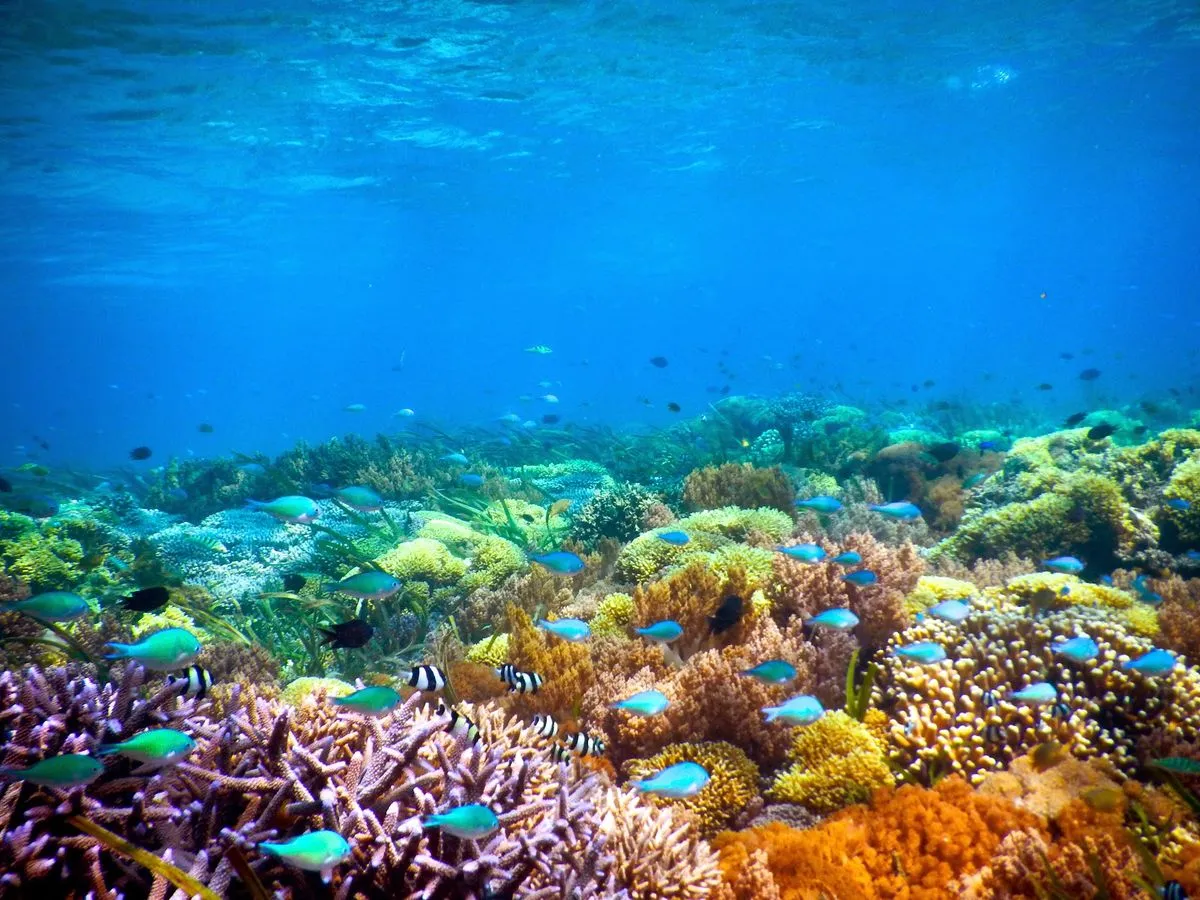
Questions to Ask Before Booking a Dive
A short conversation with your dive operator can help you understand whether a site is a good match for your abilities.
Consider asking:
- What are the expected current and visibility conditions?
- Is the site suitable for my certification and recent experience?
- What depth range is planned?
- How will the group enter and exit the water?
- What equipment and safety procedures will be used?
- Are there alternative sites if conditions change?
You should also tell the operator about any concerns, such as limited recent experience or discomfort in moving water. Clear communication helps the team make better decisions about site selection.
Remember that the planned site may change because of weather, currents, or other operational considerations. A responsible operator will prioritize suitable conditions over sticking rigidly to an itinerary.
Choose a Dive Site That Lets You Enjoy the Experience
The best dive site is not necessarily the deepest, most famous, or most challenging one. It is a site that matches your abilities and allows you to explore with awareness and confidence.
When you choose a suitable location, you can spend more time appreciating the underwater landscape, observing marine life, and practicing good diving habits instead of struggling to manage conditions beyond your experience.
For divers visiting Komodo, flexibility is particularly valuable. The region offers varied underwater environments, but the right choice depends on the actual conditions, your experience, and the assessment of qualified local professionals.
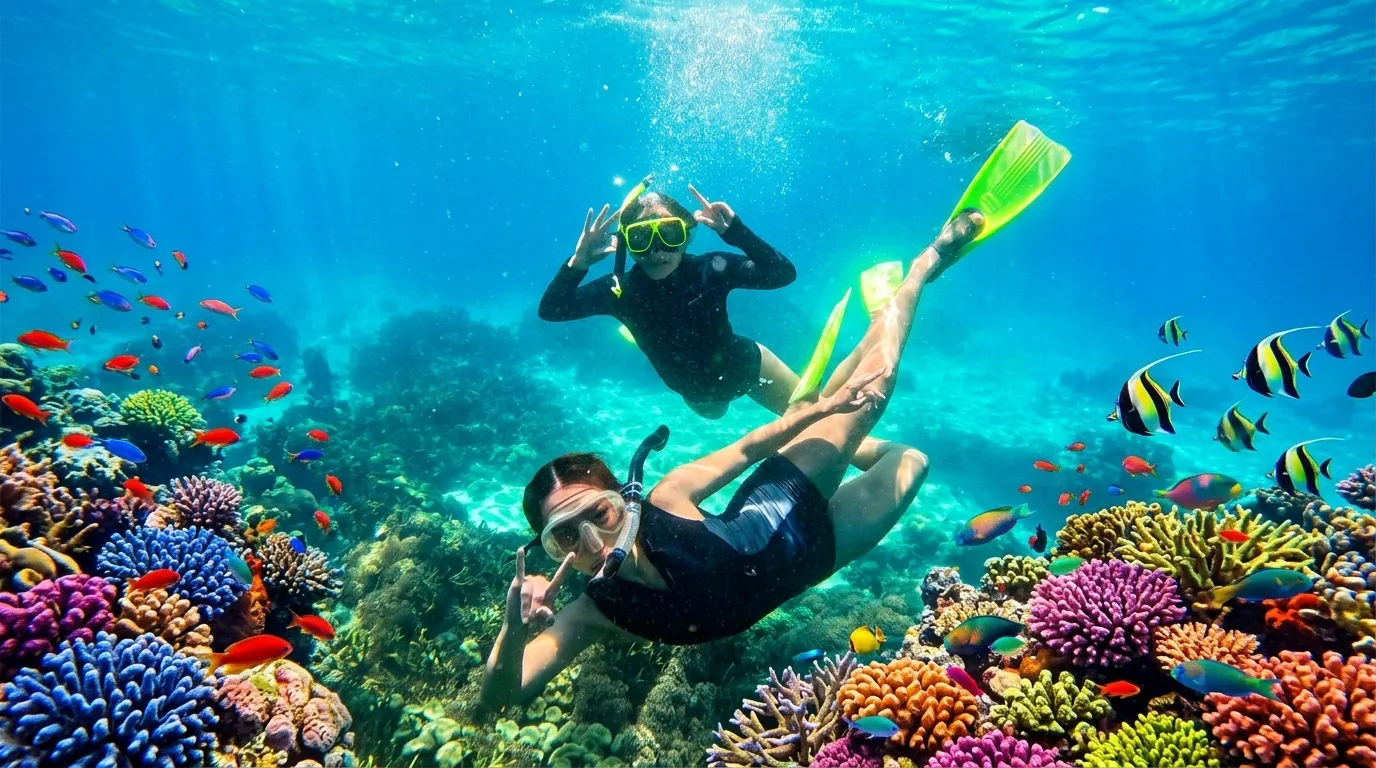
Explore Komodo with Escape Liveaboard
A private liveaboard journey offers a distinctive way to discover Komodo’s islands and marine environments. Traveling by sea allows your itinerary and planned activities to be considered alongside guest preferences, weather, and local conditions.
Escape Liveaboard offers private Phinisi journeys for travelers who want a more personal way to experience Komodo. If diving is part of your plans, discuss your certification, recent experience, and preferred type of dive with the operator in advance.
Specific dive sites and activities depend on the itinerary, operational arrangements, diver qualifications, and conditions at the time. Not every site will be suitable for every diver, and plans may need to change for safety.
With thoughtful planning and appropriate guidance, you can enjoy Komodo’s underwater world while respecting your limits and protecting the marine environment.
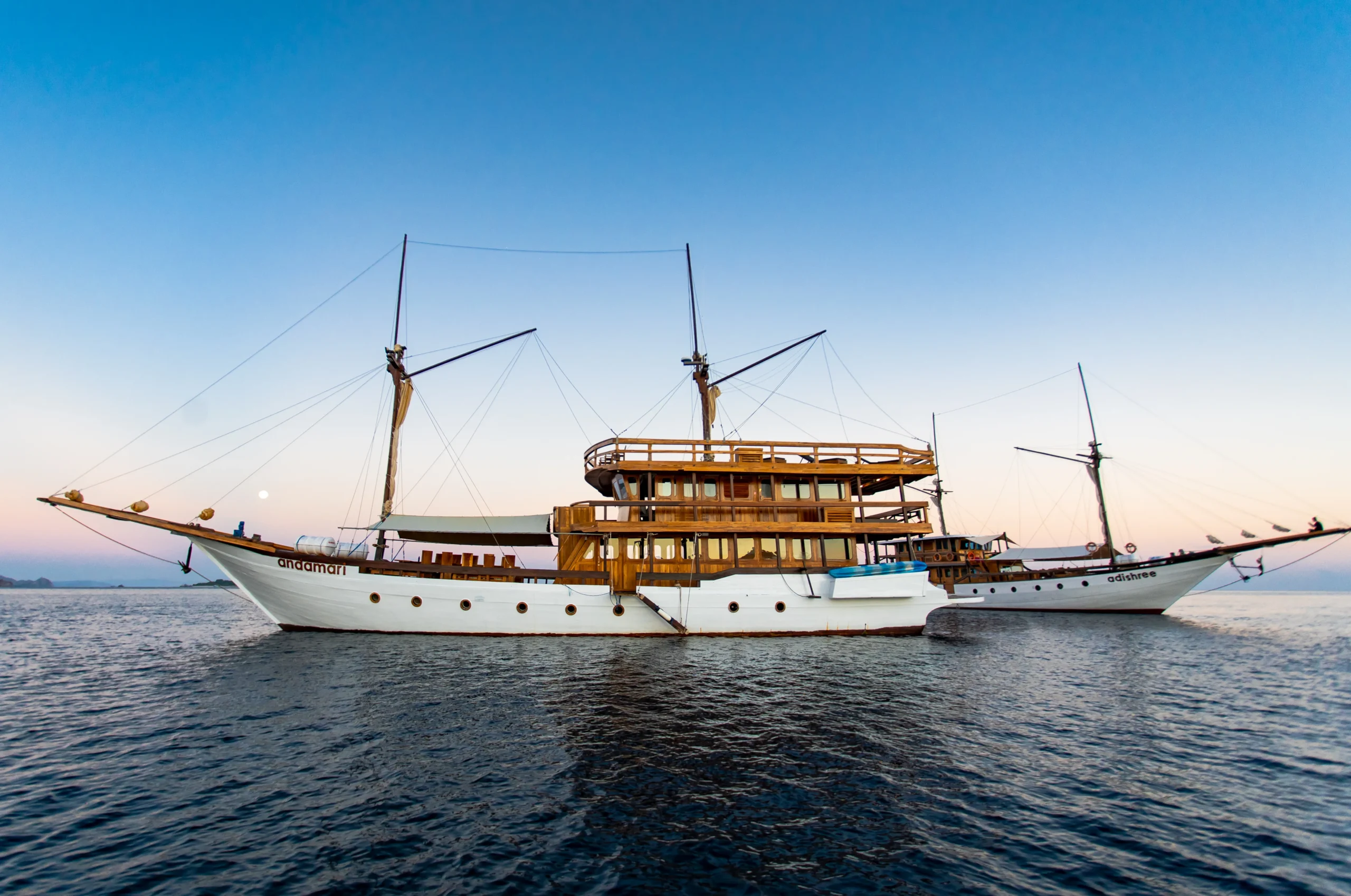
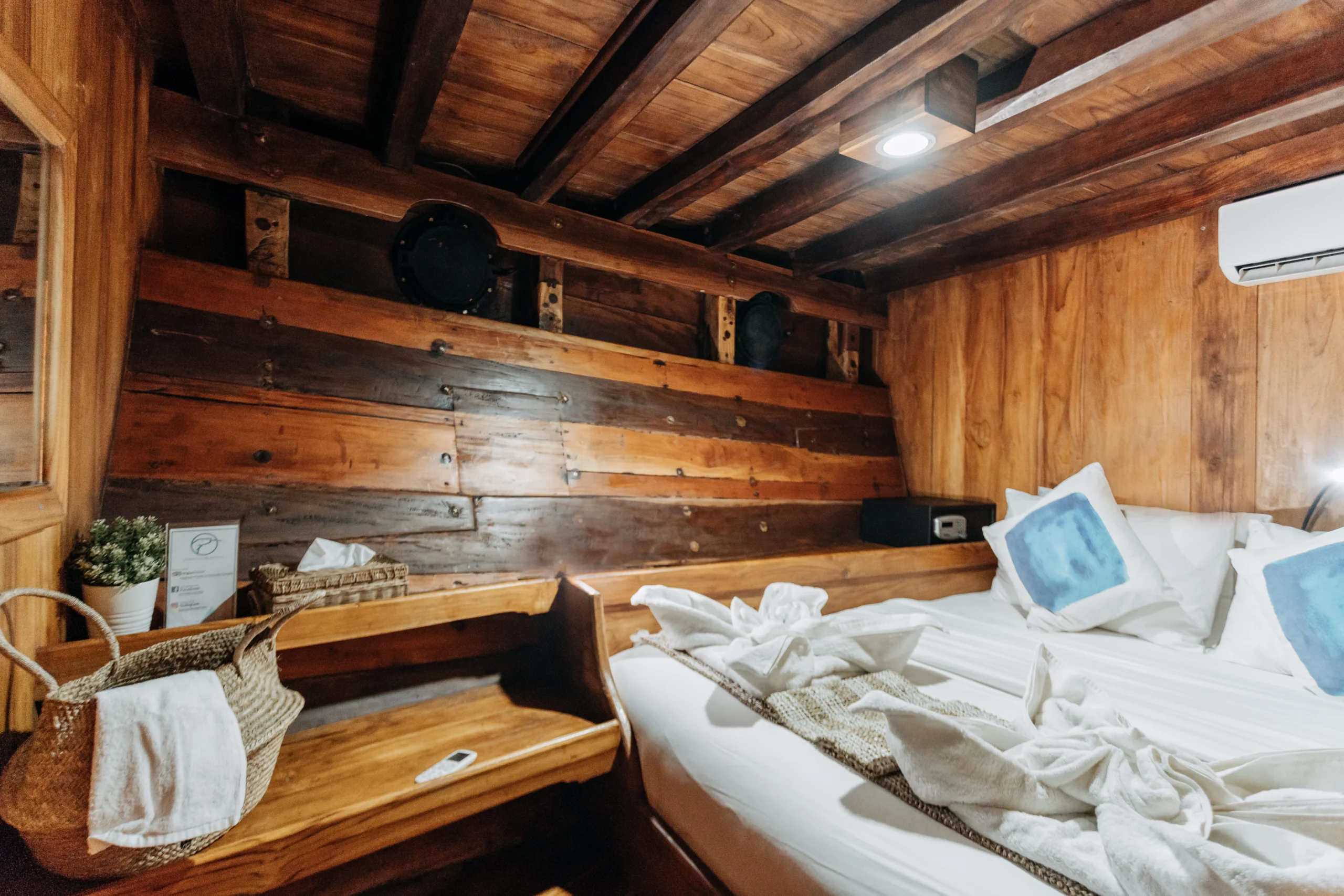
Plan your private Komodo journey with Escape Liveaboard.
WhatsApp: +62 811 399 677
Email: info@escapeliveaboard.com
Website: https://escapeliveaboard.com/contact/
Escape Liveaboard A Space to Reconnect and Unwind.
