
The Banda Islands spice trade once connected a small archipelago in eastern Indonesia to some of the most powerful commercial networks in the world. Located in the Banda Sea, within the Maluku region, these islands may look modest on a map. Yet for centuries, they were known internationally as the source of nutmeg and mace, two spices that influenced trade, exploration, and colonial ambitions.
At the heart of this history is Banda Neira, one of the main islands in the Banda archipelago. Its story is closely connected to regional merchants, European competition, colonial expansion, and the communities whose lives were transformed by the growing demand for spices.
The history of Banda is more than a story about a valuable commodity. It reveals how the pursuit of control over natural resources could reshape an entire region and connect distant parts of the world.
The Spice That Made Banda Famous
The Banda Islands became famous for producing nutmeg and mace. Nutmeg is the seed of the nutmeg tree, while mace is the reddish covering surrounding the seed. Both were highly valued in international markets and became important commodities in the history of global trade.
Long before European merchants arrived, Bandanese communities were already connected to regional trading networks. Local traders exchanged spices with merchants from different parts of the Indonesian archipelago and beyond. These commercial connections demonstrate that Banda was not an isolated destination waiting to be discovered. It was already part of a wider maritime world.
As demand for spices increased, the Banda Islands spice trade attracted greater attention from foreign merchants. Nutmeg was particularly desirable because the Banda archipelago was its principal source at the time. Access to the islands therefore offered commercial opportunities that few other places could provide.
The growing value of these spices gradually turned Banda into an important destination for international trade, bringing both prosperity and competition to the region.
European Powers and the Struggle for Control
During the sixteenth and seventeenth centuries, Portuguese, English, and Dutch merchants expanded their activities across the Maluku region. The Banda Islands became a major point of interest because of their importance to the nutmeg and mace trade.
The Dutch East India Company, known as the VOC, was established in 1602. Its commercial ambitions included securing control over valuable spice supplies and restricting competition from other traders.
However, the Dutch approach conflicted with the trading practices that Bandanese communities had maintained for generations. Local merchants had established relationships with traders from different regions, while the VOC sought to impose a monopoly over the production and sale of nutmeg.
Tensions escalated in 1621, when a VOC military expedition led by Jan Pieterszoon Coen conquered much of the Banda archipelago. The campaign involved mass violence, displacement, and severe disruption to Bandanese society.
Following the conquest, the VOC introduced a colonial plantation system designed to control nutmeg production. The system relied on managed plantations, fortified settlements, and coerced labour, including slavery.
This period remains one of the most difficult chapters in Banda’s history. The wealth generated by the Banda Islands spice trade came at a tremendous human cost for the local population.
The Island of Run and a Rivalry Across Continents
The competition for control of Banda was not limited to the Dutch and the local population. English merchants also sought influence in the archipelago, particularly on the island of Run.
Run was strategically important because of its connection to nutmeg production. Its value brought Dutch and English interests into conflict as both powers attempted to secure access to the region’s valuable spices.
The rivalry formed part of the wider Anglo-Dutch conflicts that eventually led to the Treaty of Breda in 1667. Under the agreement, England relinquished its claim to Run, while the Dutch gave up their claim to Manhattan in North America.
This historical connection is one of the most remarkable episodes associated with the Banda Islands spice trade. A small island in eastern Indonesia became part of negotiations involving territories thousands of kilometres away.
It also illustrates how the demand for spices could influence international relations and shape decisions far beyond the islands where those spices were produced.
Exploring the Historical Landscape of Banda Neira
The legacy of the spice trade can still be seen throughout the Banda Islands. Historic forts, colonial-era buildings, old settlements, and nutmeg plantations provide glimpses into the region’s past.
One of the most recognisable landmarks in Banda Neira is Fort Belgica. Built by the Dutch, the fort formed part of the military infrastructure used to protect the VOC’s commercial interests and strengthen its presence in the archipelago.
Nutmeg trees remain another important feature of the landscape. Walking through areas where these trees grow offers a connection to the agricultural heritage that helped make Banda famous.
These historical places are more than attractions for visitors. They tell stories about trade, political power, and the people who experienced the changes brought by colonial expansion.
Exploring Banda Neira allows travellers to understand how the Banda Islands spice trade influenced not only international markets but also the physical landscape and cultural identity of the islands.

Banda Neira and Indonesia’s Journey to Independence
Banda Neira’s historical significance continued long after the height of the spice trade. During the Dutch colonial period, the island also became a place of exile for several Indonesian nationalist figures, including Mohammad Hatta and Sutan Sjahrir.
Both figures were involved in Indonesia’s independence movement and were exiled to Banda Neira during the colonial era. Their presence added another important chapter to the island’s history, connecting its past to the wider struggle for Indonesian independence.
Historic houses and locations associated with their time in exile remain part of Banda’s cultural memory. They offer visitors another perspective on the island, extending its story beyond spices, merchants, and colonial competition.
This part of Banda’s history also reflects how a remote island could become connected to significant moments in the formation of modern Indonesia.
Discovering Banda Through Its Sea and Heritage
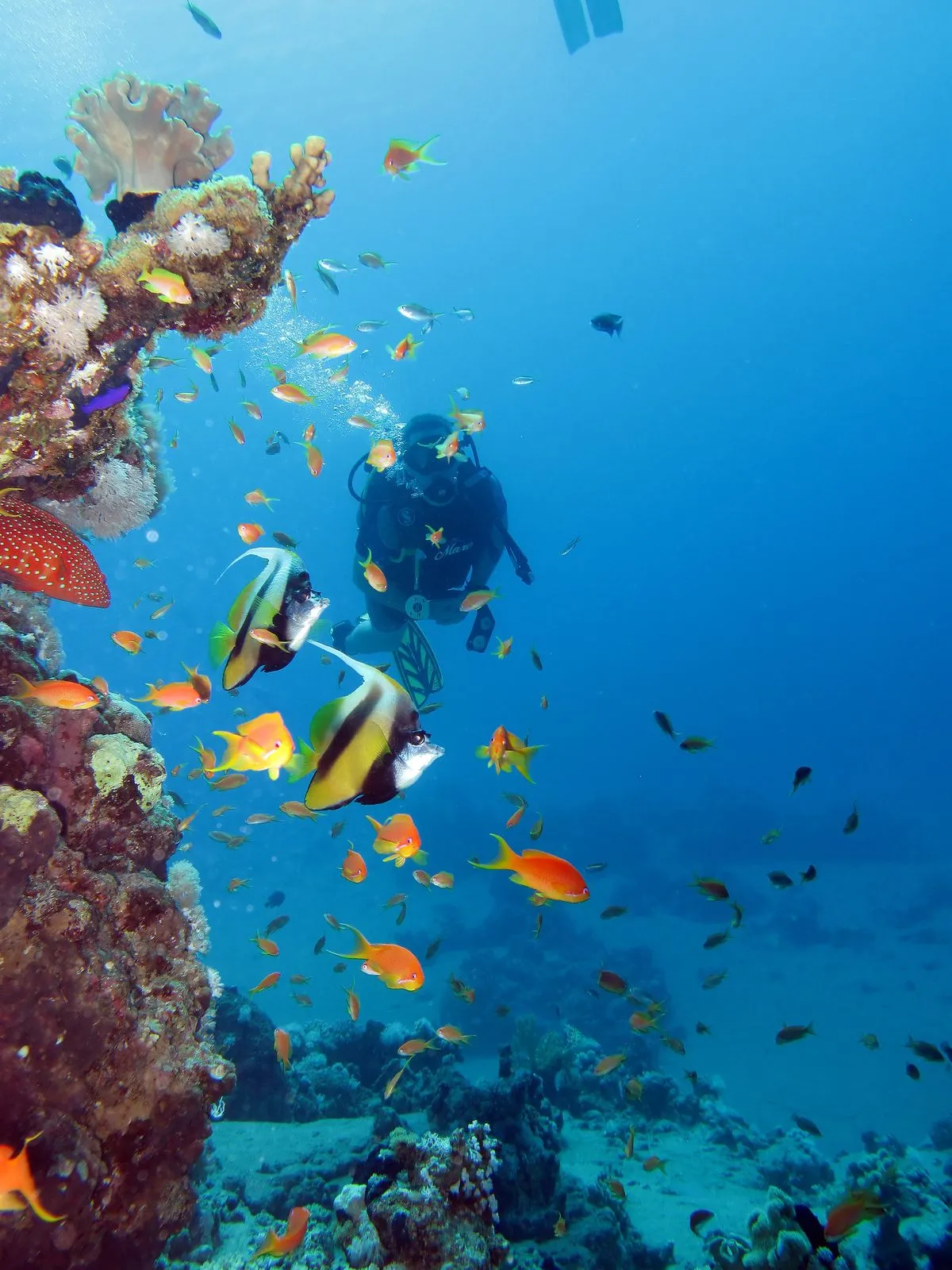
The Banda Islands are defined by more than their historical buildings and nutmeg plantations. The surrounding sea has always played a central role in the lives of local communities, connecting settlements and supporting maritime activities across the archipelago.
For centuries, these waters served as routes for merchants, travellers, and local fishermen. The sea helped shape the region’s economy, culture, and relationships with other islands.
Today, exploring Banda Neira offers an opportunity to experience the connection between history and geography. Visitors can discover colonial-era landmarks, learn about the legacy of nutmeg, and appreciate the maritime environment that continues to define island life.
For travellers interested in Indonesia’s maritime heritage, Banda offers a different perspective from a conventional beach holiday. Its appeal lies in the combination of natural scenery, cultural encounters, and a history that once reached across continents.
The Banda Islands spice trade may belong to the past, but its influence remains visible in the architecture, plantations, and historical identity of the archipelago.
These islands occupy only a small area of the map, yet their place in global history is remarkable. Their story shows how a single spice could connect distant markets, influence colonial ambitions, and transform the lives of an island community.
Plan your private Komodo journey with Escape Liveaboard.
Book Your Stay: https://escapeliveaboard.com/contact/
WhatsApp: +62 811 399 677
