
The coral gardens and shallow reefs in Komodo offer a different perspective on the region’s underwater beauty. While Komodo is often associated with dramatic underwater walls, deep reefs, and challenging currents, its shallower marine environments deserve just as much attention. These areas can reveal colorful coral formations, small reef fish, and intricate ecosystems that are fascinating to observe at a slower pace.
For travelers who enjoy snorkeling or diving, shallow reefs can be an opportunity to appreciate the ocean without always focusing on depth. The experience still depends on weather, visibility, tides, and local conditions, but with thoughtful planning, these underwater landscapes can become a memorable part of a Komodo journey.
What Makes Coral Gardens So Special?
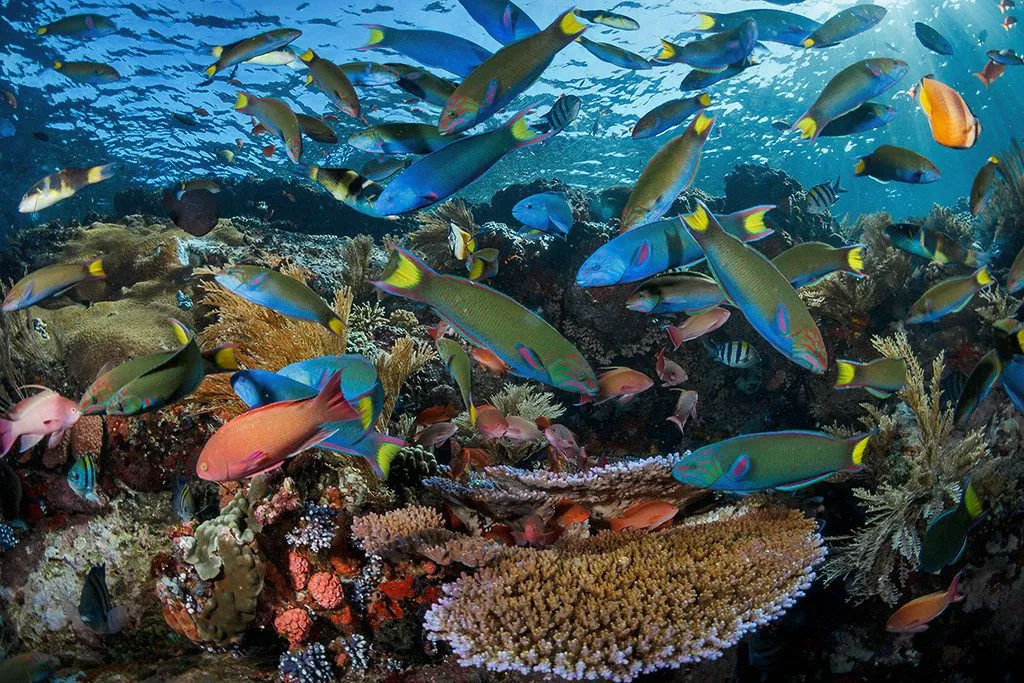
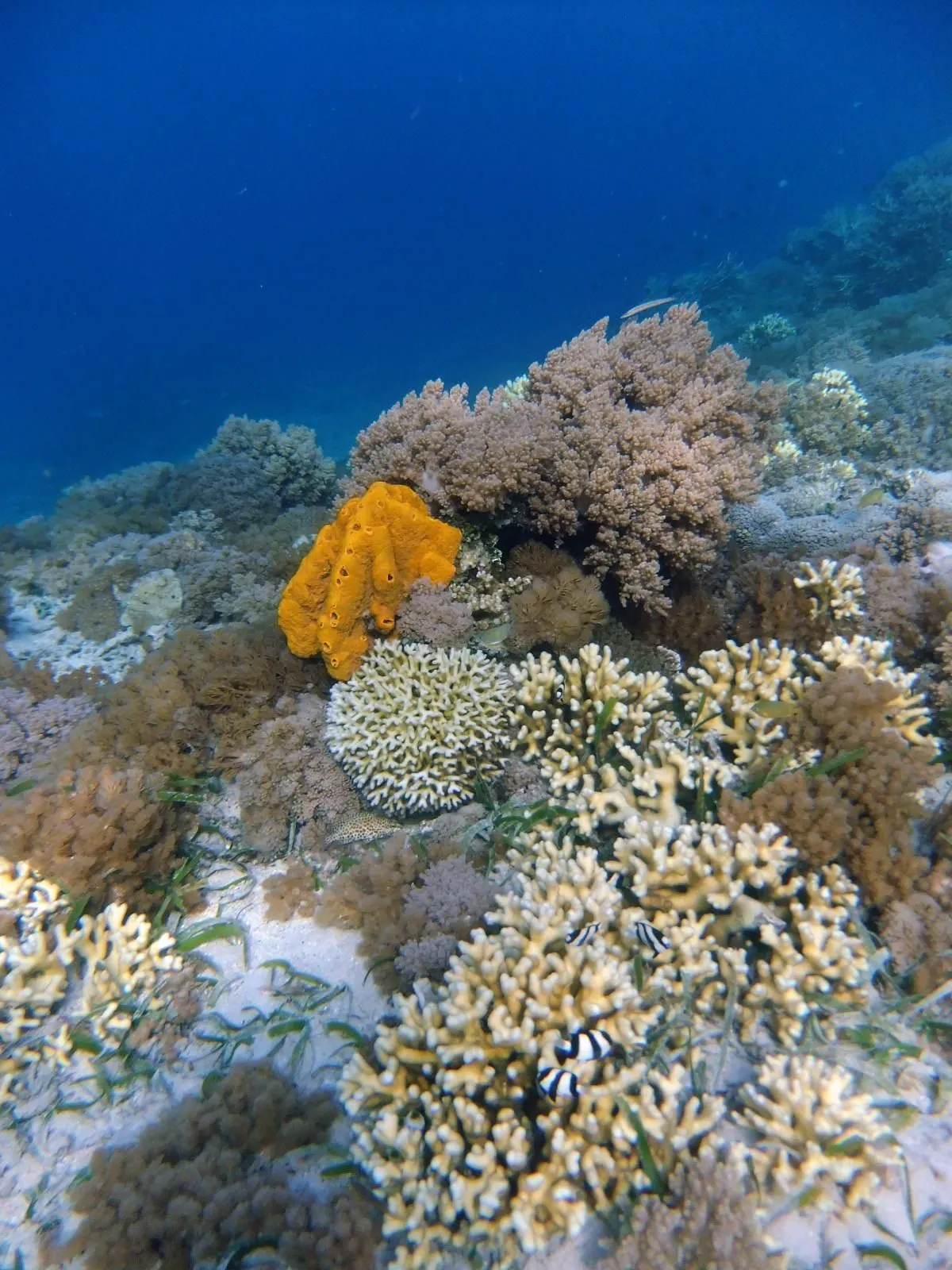
A coral garden is an area where coral colonies form a visually varied underwater landscape. Depending on the site, visitors may see different coral shapes, textures, and colors, along with fish and other marine organisms that use the reef as habitat.
Unlike a single coral formation, a coral garden can contain many small features that reward careful observation. A closer look may reveal fish moving between coral branches, tiny organisms sheltering in crevices, or subtle differences in the reef’s structure.
The coral gardens and shallow reefs in Komodo are especially interesting because they form part of a wider marine environment shaped by the region’s islands, water movement, and varied underwater terrain.
However, coral reefs are living ecosystems, not decorative underwater gardens. Their condition can vary between locations, and visitors should never expect every site to look the same.
Why Explore Shallow Reefs Instead of Always Going Deeper?
Deep dives can offer remarkable experiences, but depth is not the only measure of an exciting underwater adventure. Shallow reefs provide opportunities to notice details that may be overlooked when attention is focused on depth, navigation, or more demanding dive conditions.
For snorkelers, suitable shallow reef areas can offer a view of marine life from the surface. Certified divers may also explore shallow sites when the location and conditions match their experience and dive plan.
These environments can be particularly rewarding for travelers who prefer a relaxed pace. Instead of concentrating on reaching a specific depth, they can take time to observe the reef, notice patterns in the coral, and appreciate the movement of fish through their habitat.
Still, shallow does not automatically mean safe. Waves, surge, currents, boat traffic, and sharp or fragile coral structures can all present challenges. Site selection should always reflect the conditions on the day and the abilities of the people entering the water.
The Marine Life Hidden Among the Coral
Coral reefs provide shelter, feeding areas, and habitat for a wide range of marine organisms. Fish may use coral branches and crevices as hiding places, while other species move across the reef in search of food.
Observing these interactions can make a shallow-water excursion feel like discovering a small underwater world. Rather than looking only for large or famous marine animals, visitors can pay attention to the details: a fish disappearing between coral branches, changing patterns of light, or the variety of shapes across the reef.
The coral gardens and shallow reefs in Komodo offer opportunities to appreciate this smaller-scale marine life, although the species and abundance visible on any visit will depend on the specific location and environmental conditions.
Wildlife encounters are never guaranteed. A rewarding experience can also come from observing the reef itself and understanding how different organisms share the same habitat.
Snorkeling or Diving Which Experience Is Right for You?
The best way to explore a shallow reef depends on your comfort in the water, experience, and the conditions at the selected site.
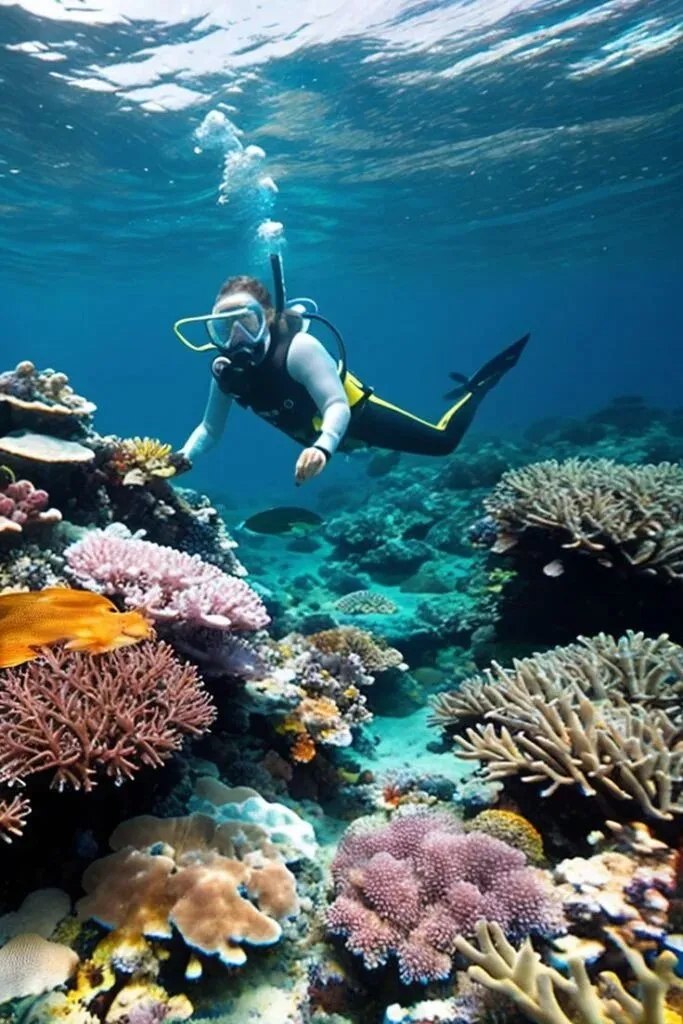
Snorkeling allows visitors to observe suitable reef areas from the surface. It can be a good option for travelers who want to enjoy the underwater scenery without undertaking a scuba dive. Properly fitted equipment, comfortable swimming ability, and appropriate supervision are important, especially where currents or waves may occur.
Scuba diving offers a closer view of the reef from underwater. Divers must hold the appropriate certification for the planned dive and remain within their training and experience limits. A shallow site can still require careful buoyancy control and awareness of the surrounding environment.
Neither option is automatically better. The right choice is the one that suits the individual, the site, and the conditions on the day.
Before entering the water, discuss the plan with a qualified local professional and follow their assessment of whether the site is suitable.
When Is the Best Time to Explore Shallow Reefs in Komodo?
There is no single time that guarantees ideal conditions at every reef in Komodo. Weather, wind, waves, visibility, tides, and local water movement can all influence the experience.
A day with calm surface conditions may be more comfortable for some activities, but the appearance of the water alone does not tell the whole story. Conditions below the surface can differ, and a location that is suitable at one time may be less appropriate later.
Instead of relying on a universal month or time of day, travelers should seek current local advice and remain flexible with their plans. A knowledgeable guide or dive professional can help assess conditions and recommend an appropriate site.
Flexibility is especially valuable during a multi-day sailing journey, where the itinerary may be adjusted according to weather and operational considerations.
How to Enjoy Coral Reefs Without Damaging Them
Coral reefs are delicate ecosystems. Even brief contact can damage fragile coral structures, so responsible behavior is essential when snorkeling or diving.
Keep these principles in mind:
- Avoid touching coral. Do not stand on, hold, or kick coral formations.
- Maintain good buoyancy. Divers should control their position to avoid accidental contact with the reef.
- Keep a respectful distance from marine life. Do not chase, feed, or attempt to handle animals.
- Secure your equipment. Loose fins, gauges, cameras, and other gear can strike coral unintentionally.
- Follow local guidance. Respect site rules and any instructions from your guide or crew.
- Choose responsible products and practices. Follow local recommendations regarding sunscreen and waste disposal, and never leave rubbish in the sea.
Responsible exploration helps reduce avoidable damage and allows future visitors to appreciate the same marine environment.
Discover a Different Side of Komodo with Escape Liveaboard
Komodo is not defined by a single underwater experience. Its marine landscapes offer different ways to connect with the ocean, from exploring shallow coral habitats to discovering deeper reefs when conditions and experience allow.
A private liveaboard journey provides a way to explore the region by sea while allowing the daily itinerary to take account of guest preferences, weather, and local assessments. The availability of specific snorkeling or diving sites and activities depends on the itinerary, conditions, and operational arrangements.
With Escape Liveaboard, travelers can plan a private Komodo journey that makes room for meaningful moments on and beneath the water. Whether you are an experienced diver or simply enjoy observing the ocean from the surface, the key is to choose activities that suit you and respect the environment.
Plan your private Komodo journey with Escape Liveaboard.
WhatsApp: +62 811 399 677
Email: info@escapeliveaboard.com
Website: https://escapeliveaboard.com/contact/
Escape Liveaboard A Space to Reconnect and Unwind.
