
Komodo is known for its dramatic islands, clear blue waters, and remarkable marine life. Beyond its famous landscapes and Komodo dragons, the region also attracts travelers hoping to encounter one of the ocean’s most fascinating creatures: the manta ray.
With their wide wingspans and graceful movements, manta rays offer an extraordinary sight beneath the surface. Watching one glide through the water can become a memorable part of a sailing holiday, especially for travelers who enjoy snorkeling or diving.
However, encountering manta rays in the wild is never guaranteed. Their presence depends on natural conditions, and every trip can offer a different experience. Understanding where encounters may happen, how to prepare, and how to behave around these animals can help you make the most of your time in Komodo.
Where Can You See Manta Rays in Komodo?
The waters around Komodo National Park are known for their rich marine ecosystems. Certain sites, including Manta Point, are recognized as places where divers and snorkelers may have opportunities to encounter manta rays.
These animals move through the ocean in search of food and suitable conditions. Therefore, sightings can vary from one day to another, even at locations known for manta activity.
In addition, ocean currents, visibility, weather, and the time spent at a particular site can affect the experience. Your guide or liveaboard operator can help assess the conditions and determine whether a planned visit is appropriate.
Rather than treating a manta encounter as a guaranteed highlight, consider it a special possibility during your wider exploration of Komodo’s marine environment.
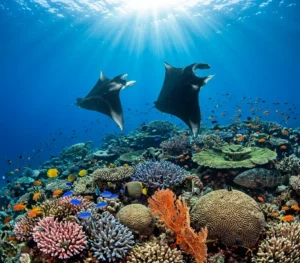
Why Are Manta Rays So Fascinating?
Manta rays belong to the ray family and are known for their broad pectoral fins, flattened bodies, and distinctive cephalic fins near their mouths. These features help them move through the water and direct food toward their mouths.
Unlike some marine predators, manta rays feed mainly on tiny organisms, including zooplankton, which they filter from the water. Their feeding behavior is one reason they may gather in areas with suitable food supplies.
Furthermore, manta rays can grow to an impressive size while maintaining smooth, controlled movements. Seeing such a large animal move effortlessly underwater offers a different perspective on the diversity of marine life around Komodo.
Observing them in their natural habitat also highlights why protecting healthy oceans is important for both marine wildlife and future generations of travelers.
Can You Swim or Snorkel with Manta Rays?
Depending on sea conditions, local regulations, and your experience level, snorkeling or diving may provide an opportunity to observe manta rays underwater.
Snorkeling can be suitable for travelers who want to remain near the surface, while diving allows qualified divers to explore underwater environments at greater depth. However, neither activity guarantees a manta sighting.
Before entering the water, listen carefully to your guide’s instructions. Currents around Komodo can be strong at certain locations, so the suitability of a site depends on the conditions at the time of the visit.
If you are not a confident swimmer, let your operator know in advance. Choosing an activity that matches your abilities is essential for a safer and more enjoyable experience.
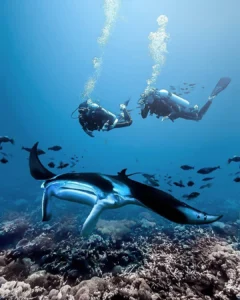
How to Observe Manta Rays Responsibly
A close encounter can be exciting, but the animals’ well-being should always come first. Responsible wildlife tourism allows visitors to appreciate manta rays without disturbing their natural behavior.
Keep these guidelines in mind:
- Never touch manta rays. Physical contact can disturb the animals and may damage their protective skin coating.
- Do not chase them. Allow manta rays to move freely and decide whether to approach or swim away.
- Keep a respectful distance. Follow your guide’s instructions and any applicable wildlife-viewing rules.
- Avoid blocking their path. Give them enough space to swim naturally, particularly when they are feeding.
- Follow local regulations. Respect protected areas and any restrictions that apply to snorkeling, diving, or boat operations.
- Choose a responsible operator. Look for a team that prioritizes guest safety, wildlife welfare, and marine conservation.
By following these practices, you can help reduce disturbance and contribute to a more responsible wildlife experience.
What Should You Prepare Before Your Trip?
A little preparation can make your ocean adventure more comfortable. Before departure, check the equipment and arrangements available through your chosen operator.
Consider bringing swimwear, a towel, reef-appropriate sun protection, and any personal snorkeling equipment you prefer to use. If you plan to dive, make sure your certification and experience match the planned activity.
It is also helpful to check the weather forecast and ask about expected sea conditions. Since currents and visibility can change, the final activity plan should remain flexible.
Most importantly, approach the experience with realistic expectations. You may encounter manta rays, or you may spend your time discovering coral reefs and other marine life instead. Both experiences can be rewarding.
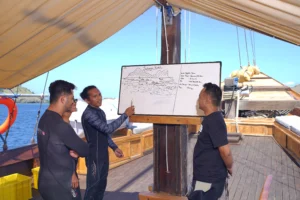
Explore Komodo’s Marine World with Escape Liveaboard
A liveaboard journey offers a way to explore Komodo’s islands and surrounding waters while enjoying time aboard a private vessel. Rather than returning to shore after each day, guests can travel between destinations as part of a planned sailing itinerary.
Escape Liveaboard offers private Phinisi charters aboard Adishree and Andamari, with capacity for up to 12 guests per vessel. Depending on the itinerary, conditions, and available arrangements, guests may enjoy activities such as snorkeling, island exploration, and relaxing on board.
If seeing manta rays is one of your travel goals, discuss it with the Escape Liveaboard team before departure. They can help you understand the itinerary options and considerations for visiting suitable marine areas. However, wildlife sightings and access to specific sites cannot be guaranteed.
Plan your private Komodo journey with Escape Liveaboard.
WhatsApp: +62 811 399 677
Email: info@escapeliveaboard.com
Website: https://escapeliveaboard.com/contact/
Escape Liveaboard A Space to Reconnect and Unwind.
