
Raja Ampat, in Southwest Papua, Indonesia, is renowned as one of the world’s richest marine biodiversity destinations. Its waters are home to hundreds of coral species, thousands of fish species, and fascinating marine wildlife, from graceful manta rays to the unique walking sharks.
However, encountering a particular species is never guaranteed. Each animal has its own habitat, behavior, and patterns of movement. Exploring Raja Ampat is not just about searching for rare marine life; it is also about discovering a thriving underwater ecosystem and appreciating the natural beauty of one of Indonesia’s most remarkable destinations.
1. Discover Raja Ampat’s Beauty Above and Below the Water
Raja Ampat is a spectacular collection of islands, lagoons, beaches, and pristine marine environments. Beneath the surface, colorful coral reefs provide habitats for reef fish, mollusks, turtles, sharks, and countless other marine species.
Popular diving areas include the Dampier Strait, Waigeo, and Misool. Each offers a different experience, from vibrant reefs teeming with fish to dive sites where you may encounter larger marine animals.
This extraordinary biodiversity makes Raja Ampat an appealing destination for experienced divers, snorkelers, and travelers seeking a closer connection with nature.
2. Marine Species You Might Encounter in Raja Ampat
Manta Rays
Manta rays are among the most sought-after marine animals in Raja Ampat. With their impressive wingspans and graceful movements, they can be seen gliding through the water or visiting certain sites to feed and have their bodies cleaned by smaller fish.
Some areas of Raja Ampat, including parts of the Dampier Strait, are known for manta ray encounters. However, sightings depend on factors such as food availability, sea conditions, and the animals’ natural behavior.
If you encounter a manta ray, maintain a respectful distance and avoid chasing or touching it. Allowing these gentle giants to move freely makes the experience more rewarding for both visitors and wildlife.
Walking Sharks (Epaulette Sharks)
One of Raja Ampat’s most fascinating marine animals is the walking shark, also known as the epaulette shark. Unlike larger shark species, this relatively small shark can use its fins to move along the seabed in shallow reef environments.
Walking sharks are notable for their limited geographic distribution and are an example of the unique marine biodiversity found in the Papua region and surrounding waters.
Finding one requires patience, a suitable habitat, and often the help of a knowledgeable guide. Sightings are never guaranteed, but discovering this unusual species can be a memorable highlight for divers interested in marine life.
Wobbegong Sharks
Wobbegong sharks are known for their distinctive patterns and camouflage, which help them blend into the seabed. They are often found resting among coral formations or on sandy patches, making them easy to overlook if you move too quickly.
During a dive, take your time observing the reef and surrounding seabed. Always avoid touching or disturbing a resting shark, and follow your dive guide’s instructions when observing marine wildlife.
Pygmy Seahorses
For underwater photography enthusiasts, pygmy seahorses are among the most fascinating creatures to look for. These tiny animals can blend almost perfectly into the soft corals or sea fans where they live.
Finding them requires a keen eye, careful observation, and the assistance of a guide familiar with their habitats. Not every dive will result in a sighting, but searching for these miniature marine animals can make underwater exploration even more rewarding.
Sea Turtles
Sea turtles are another remarkable part of Raja Ampat’s marine ecosystem. Depending on the location and conditions, you may encounter them while snorkeling or scuba diving.
If you see a turtle, observe it from a safe distance. Avoid blocking its swimming path, touching it, or chasing it for photographs.
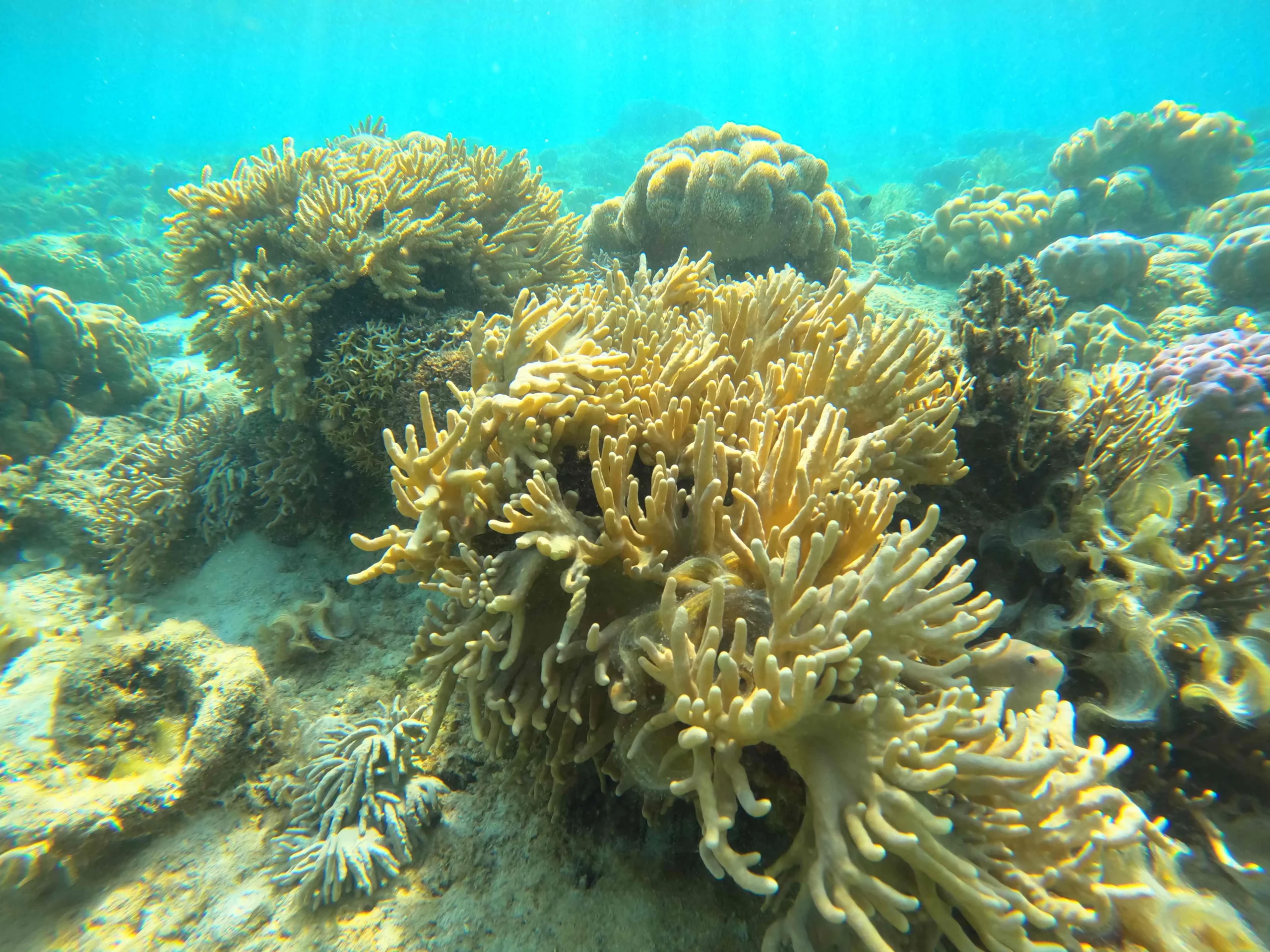
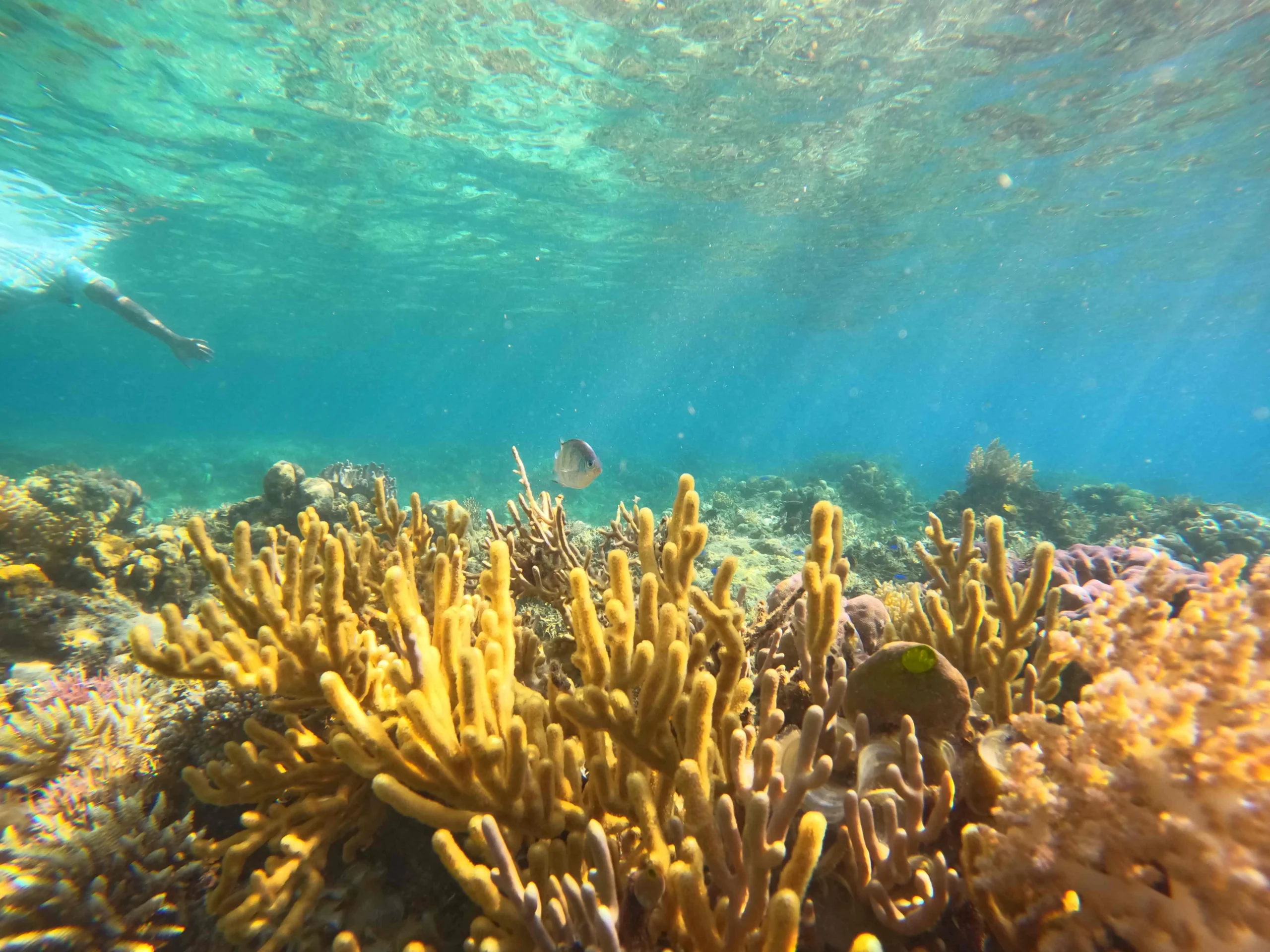
3. Where Can You Look for Marine Life in Raja Ampat?
Different areas of Raja Ampat offer different underwater experiences. The following regions are worth considering when planning your trip:
- Dampier Strait: Known for vibrant coral reefs, abundant reef fish, and several sites associated with manta ray encounters.
- Misool: Famous for dramatic limestone formations, beautiful coral reefs, and diverse marine habitats.
- Waigeo and Northern Raja Ampat: Ideal for exploring coral reefs and spectacular karst island landscapes.
Your choice of dive sites should depend on sea conditions, trip duration, diving experience, and the vessel’s itinerary. No single location can guarantee encounters with every species.
4. When Is the Best Time to Explore Raja Ampat?
October to April is generally considered a popular period for exploring Raja Ampat, as many areas can experience favorable conditions for diving and liveaboard trips. However, weather and sea conditions can change, and conditions vary between regions.
Underwater visibility is not always the same from one day to another. Currents, rainfall, plankton concentrations, and local conditions can all affect visibility and marine animal activity.
If seeing manta rays or other specific species is a priority, discuss your plans with your liveaboard operator and dive guide before departure. They can help recommend suitable routes based on local knowledge and current conditions, without promising wildlife encounters that cannot be guaranteed.
5. How to Explore Raja Ampat Responsibly
Raja Ampat’s extraordinary biodiversity deserves protection. You can help preserve its marine environment by following a few simple practices:
- Never touch, feed, or chase marine animals.
- Maintain a respectful distance when observing manta rays, sharks, turtles, and other wildlife.
- Avoid touching or standing on coral, including while snorkeling.
- Use appropriate flotation equipment when needed and ensure your diving skills match the conditions at each site.
- Follow your guide’s instructions regarding currents, entry and exit points, and marine protected area regulations.
- Minimize plastic waste and take your rubbish back with you.
- Responsible tourism helps protect marine habitats and ensures that future visitors can continue to enjoy Raja Ampat’s natural wonders.
6. Explore Raja Ampat with Escape Liveaboard
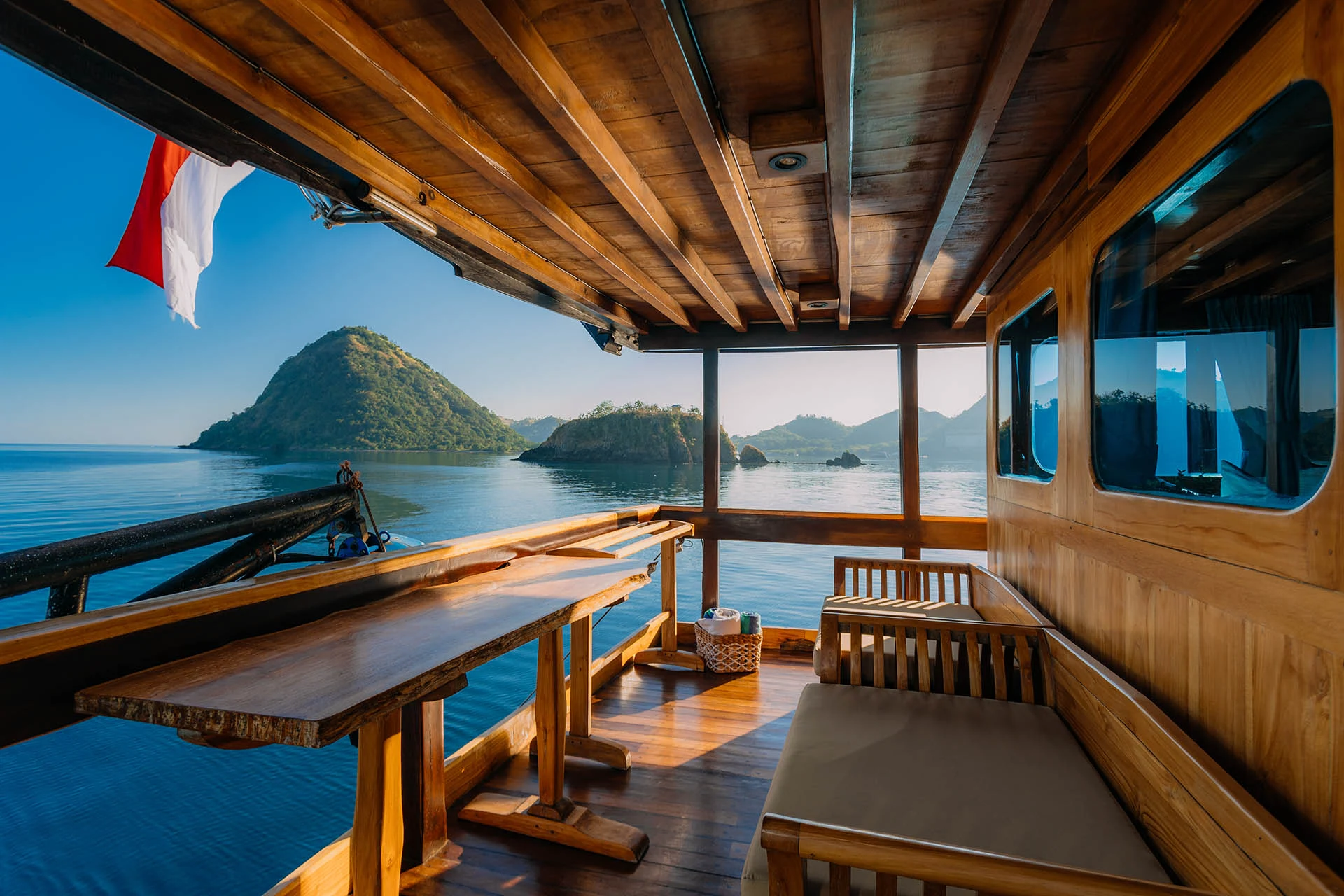
A liveaboard journey allows you to explore multiple areas of Raja Ampat in one trip without returning to land-based accommodation every day. With an itinerary planned around the duration of your trip and prevailing sea conditions, you can make time for diving, snorkeling, island exploration, and relaxation on board.
Through Escape Liveaboard’s private charter experience, your journey can be tailored to your group’s interests, whether you are passionate divers or travelers who prefer a more relaxed way to explore. Routes, schedules, activities, and available services can be discussed before departure.
Between underwater adventures, enjoy views of limestone islands, secluded beaches, and Raja Ampat’s beautiful lagoons. For non-divers, snorkeling and suitable land-based excursions can also be incorporated into the itinerary.
Facilities, equipment, and activities depend on the selected vessel and trip arrangements. We recommend confirming the details with our team before booking to ensure the experience matches your expectations.

Discover the Wonders of Raja Ampat
Raja Ampat’s appeal goes far beyond its rare marine species. Its extraordinary biodiversity and spectacular natural scenery make every journey unique. From manta rays gliding through the water to tiny pygmy seahorses hiding among the corals, every dive offers the possibility of a new discovery.
With thoughtful planning, knowledgeable guides, and respect for the marine environment, you can experience Raja Ampat more deeply while helping protect its natural heritage.
Start planning your private Raja Ampat journey:
-
WhatsApp: +62 811 399 677
-
Email: info@escapeliveaboard.com
-
Website: www.escapeliveaboard.com
Your private Raja Ampat journey begins with Escape Liveaboard.
