
What makes Komodo National Park one of Indonesia’s most remarkable destinations? Located in East Nusa Tenggara, between the islands of Flores and Sumbawa, this protected area is known for its extraordinary wildlife, rugged island landscapes, and rich marine ecosystems. It is a place where dry green hills meet turquoise waters, secluded beaches sit along dramatic coastlines, and the natural world remains at the heart of every journey.
Although many travellers first hear about the park because of the Komodo dragon, there is much more to discover beyond its most famous resident. The surrounding waters support colourful coral reefs and diverse marine life, while the islands offer scenic viewpoints, hiking opportunities, and memorable encounters with nature. Recognised as a UNESCO World Heritage Site in 1991, Komodo National Park is an important conservation area as well as a destination for travellers seeking a closer connection with Indonesia’s natural beauty.
1. What Is Komodo National Park?
Komodo National Park is a protected area in Indonesia that conserves both terrestrial and marine ecosystems. Established as a national park in 1980, it encompasses three major islands Komodo, Rinca, and Padar along with numerous smaller islands and surrounding waters.
The park is especially important because it protects the natural habitat of the Komodo dragon, the world’s largest living lizard. At the same time, its conservation area includes savannah hills, tropical vegetation, coastal habitats, seagrass beds, and coral reefs.
In 1991, UNESCO added Komodo National Park to the World Heritage List because of its exceptional natural landscapes and biodiversity. This recognition highlights the importance of protecting the park not only for its famous reptiles, but also for the many species and ecosystems that depend on it.
2. What Makes Komodo National Park So Special?
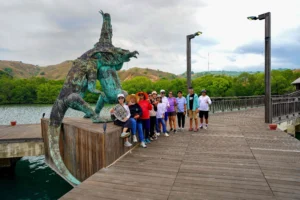
The Komodo Dragon
The Komodo dragon is the park’s most iconic inhabitant. These powerful reptiles live naturally in parts of the park and are known for their impressive size, strong limbs, and distinctive appearance. Seeing one in its natural habitat can be a memorable part of a visit.
However, Komodo dragons are wild animals and should always be observed responsibly. Visitors should follow the instructions of authorised park guides or rangers, maintain a safe distance, and never attempt to approach, feed, or disturb them.
Dramatic Islands and Scenic Landscapes
Beyond its wildlife, Komodo National Park is known for its striking contrasts. Dry savannah hills rise above clear blue water, while rocky coastlines, quiet bays, and pale sandy beaches create a landscape that feels different from Indonesia’s more densely forested destinations.
Padar Island is particularly well known for its panoramic viewpoint, where several curved bays and contrasting beaches can be seen from above. The hike involves uneven and sometimes steep terrain, so suitable footwear, water, and attention to local guidance are important.
Rich Marine Biodiversity
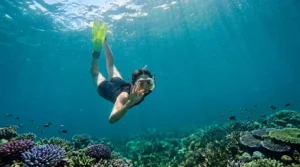
The park’s natural beauty continues beneath the surface. Its waters contain coral reefs and a wide variety of marine species, including tropical fish, sea turtles, rays, and other marine animals. Whales and dolphins are also found in the broader region.
The meeting of nutrient-rich waters and strong currents helps support this marine diversity. At the same time, those currents can be challenging, which makes local knowledge and careful planning essential for activities such as snorkelling, diving, and boat travel.
3. Where Is Komodo National Park Located?
Komodo National Park lies in East Nusa Tenggara, Indonesia, between Flores and Sumbawa. The nearby town of Labuan Bajo, on the western tip of Flores, is the main gateway for many visitors travelling to the park.
From Labuan Bajo, travellers can arrange boat trips to different islands and marine locations within the area. The length of a journey depends on the itinerary, the selected destinations, and sea conditions. Some trips focus on a few highlights, while multi-day voyages allow more time to explore the islands and surrounding waters at a more relaxed pace.
Because the park covers a wide area, not every destination can be visited on every trip. Routes should be planned with the operator and adjusted when weather, currents, or conservation requirements make changes necessary.
4. What Can You Do in Komodo National Park?
Hike to Scenic Viewpoints
Walking to an island viewpoint offers a different perspective on the park’s landscape. Padar Island is a popular choice for travellers who want to see its distinctive bays from above. Start early when possible, bring drinking water, and follow the designated route and guidance provided for the visit.
Snorkel or Dive Among Coral Reefs
Snorkelling and diving give visitors the chance to appreciate the park’s underwater environment. Depending on the location and conditions, you may encounter coral gardens, schools of reef fish, sea turtles, or rays.
Marine wildlife sightings are never guaranteed, however. Visibility, currents, weather, and the natural movement of animals can all influence the experience. Choose activities that match your swimming ability and follow the instructions of qualified guides.
Explore the Islands by Boat
A boat journey makes it possible to experience the park’s changing scenery, from remote beaches to dramatic coastlines and small islands. Travelling between destinations also gives you time to appreciate the scale of the landscape and the connection between the islands and the sea.
For travellers who prefer a more personal pace, a private liveaboard journey can offer flexibility in how time is spent, subject to safety, weather, and park regulations.
Enjoy Quiet Moments in Nature
Not every memorable experience needs to involve a challenging hike or an underwater adventure. Watching the changing light across the hills, enjoying a peaceful moment on a beach, or observing the sea from the deck can be equally rewarding. These slower moments allow visitors to appreciate the atmosphere of the park without rushing from one destination to another.

5. When Is the Best Time to Visit Komodo National Park?
The best time to visit depends on the experiences you hope to enjoy and the conditions during your trip. Weather, sea state, visibility, and the strength of the currents can influence boat journeys and water activities throughout the year.
Before deciding on travel dates, consider your preferred activities and allow some flexibility in the itinerary. Even during generally favourable periods, conditions can change from one location to another. For that reason, it is wise to check current local information and follow the recommendations of your boat crew or tour operator.
If you plan to snorkel or dive, ask about the expected conditions at each site rather than relying only on the month of travel. A well-planned trip prioritises safety and the environment while making the most of the opportunities available on the day.
6. How to Visit Komodo National Park Responsibly
As a protected area with important terrestrial and marine ecosystems, Komodo National Park needs thoughtful tourism practices. Small decisions made by visitors can help reduce disturbance to wildlife and damage to sensitive habitats.
- Follow ranger and guide instructions. This is especially important when observing Komodo dragons or visiting designated conservation areas.
- Keep a respectful distance from wildlife. Never feed, touch, chase, or attempt to attract wild animals.
- Protect the marine environment. Avoid standing on or touching coral, and use reef-conscious practices while snorkelling or diving.
- Take your rubbish with you. Leave beaches, trails, and boat stops clean.
- Respect local rules and communities. Follow current park regulations, visitor limits, and any guidance about access to specific locations.
Responsible travel helps preserve the natural qualities that make the park special, allowing future visitors and local communities to continue benefiting from its ecosystems.

7. Explore Komodo National Park with Escape Liveaboard
Exploring Komodo by boat offers the opportunity to experience its islands and surrounding waters as part of one journey. Rather than returning to shore after every outing, a liveaboard trip allows you to spend more time travelling between destinations, enjoying the scenery, and choosing activities according to the conditions.
Escape Liveaboard offers private Phinisi charters for travellers who want to explore Indonesia’s remarkable marine destinations at a considered pace. In Komodo, the journey can include opportunities for snorkelling, island exploration, and time spent enjoying the landscape from the water. The exact itinerary depends on the chosen trip, weather, sea conditions, and applicable park regulations.
A private journey also creates room to enjoy the experience with the people who matter to you, whether that means sharing a meal, taking in the view from the deck, or simply slowing down between adventures.
Plan your private Komodo journey with Escape Liveaboard.
WhatsApp: +62 811 399 677
Email: info@escapeliveaboard.com
Website: www.escapeliveaboard.com
