
Komodo National Park, in East Nusa Tenggara, Indonesia, is known for its remarkable marine biodiversity, dramatic islands, and clear tropical waters. Among its most fascinating marine animals are manta rays, which glide gracefully through the ocean and attract snorkelers and divers from around the world.
However, seeing manta rays in Komodo is never guaranteed. Their movements are influenced by food availability, currents, tides, and changing ocean conditions. Understanding these factors can help you plan a more rewarding snorkeling experience while appreciating the natural environment that makes Komodo so special.
1. Understanding Manta Rays in Komodo
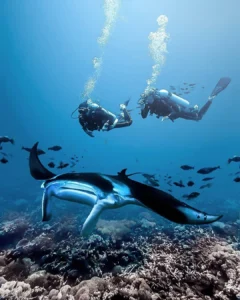
Manta rays are large, graceful marine animals known for their broad pectoral fins and distinctive swimming movements. They often visit areas where plankton is abundant or where smaller fish help clean their bodies.
Komodo’s nutrient-rich waters support a diverse marine ecosystem, creating suitable habitats for manta rays in several areas of the national park. Depending on the location and conditions, snorkelers may have an opportunity to observe them swimming near the surface.
Manta rays are wild animals, so their behavior cannot be predicted precisely. They may remain in an area for a while, pass through briefly, or not appear during a particular visit. The most rewarding encounters happen when visitors observe them calmly without trying to chase or touch them.
2. When Is the Best Time to See Manta Rays in Komodo?
There is no single month that guarantees manta ray sightings in Komodo. They can be encountered throughout the year, although the likelihood of an encounter may vary depending on local conditions and the specific snorkeling site.
Rather than focusing only on the calendar, it is helpful to consider three factors:
Ocean Conditions
Currents and tides influence how water moves through Komodo’s channels and reefs. These movements can affect plankton distribution and the conditions around manta ray sites. Some locations may be more suitable on certain tides, while others can become challenging when currents are strong.
Plankton Availability
Manta rays feed primarily on plankton. When food is available in an area, they may visit to feed. However, plankton concentrations change naturally, so the presence of food does not guarantee that manta rays will appear at a particular time.
Weather and Visibility
Weather, waves, and underwater visibility can affect the overall snorkeling experience. Even when manta rays are present, rough surface conditions or limited visibility may make observation more difficult.
For this reason, local knowledge and flexibility are often more useful than relying on a fixed date alone.
3. Where Can You Look for Manta Rays in Komodo?
Several locations in Komodo National Park are associated with manta ray encounters. Two commonly discussed areas are Mawan and Karang Makassar, which is part of the wider Manta Point area.
Mawan
Mawan is a popular snorkeling and diving location where manta rays may be encountered under suitable conditions. The experience can vary depending on currents, visibility, and the animals’ natural movements.
Before entering the water, ask your guide about the conditions at the site and whether it is appropriate for your swimming ability.
Karang Makassar and the Manta Point Area
Karang Makassar is known for its underwater landscape and opportunities to observe marine life. Manta rays may pass through or gather in parts of this broader area, but sightings are not guaranteed.
Currents can be strong in some parts of Komodo, so following your guide’s instructions is essential. A location that looks calm from the boat may still have changing underwater conditions.


4. How to Make the Most of Your Manta Ray Snorkeling Experience
A successful snorkeling trip is not only about seeing a particular animal. It is also about being prepared, respecting the marine environment, and choosing conditions that suit your experience.
Consider these practical tips:
- Listen to your guide. Local guides can assess conditions and recommend whether a snorkeling site is suitable on the day.
- Choose a site that matches your ability. Strong currents may be unsuitable for inexperienced or less confident swimmers.
- Use appropriate snorkeling equipment. A properly fitted mask, snorkel, and fins can help you feel more comfortable in the water. Use flotation equipment when appropriate.
- Keep a respectful distance. Never chase, touch, block, or attempt to ride a manta ray. Let the animal decide whether to approach or move away.
- Stay aware of the surroundings. Pay attention to the boat, other swimmers, currents, and your guide’s signals.
- Be flexible with your plans. Conditions may require changes to the route or activity schedule.
These simple practices can help create a safer and more respectful wildlife encounter.
5. Explore Komodo Beyond Manta Rays
Although manta rays are a highlight for many visitors, Komodo offers much more to discover. Colorful coral reefs, tropical fish, quiet beaches, and striking island landscapes create plenty of opportunities to enjoy the region above and below the water.
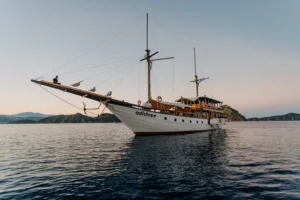
Depending on the itinerary and conditions, a trip may include snorkeling, island visits, beach time, and relaxing moments on board a traditional Phinisi vessel. Travelers who prefer a slower pace can also discuss an itinerary that balances marine activities with time to enjoy the scenery.
Every trip is different. The route and activities should be planned around weather, sea conditions, local regulations, and the needs of the group.
6. Discover Komodo with Escape Liveaboard
Exploring Komodo by private liveaboard gives you the opportunity to experience different parts of the national park while staying on board throughout your journey. Rather than returning to land after each day of exploration, you can move between selected destinations according to the planned itinerary and prevailing conditions.
Escape Liveaboard offers private Phinisi charters aboard Adishree and Andamari, with journeys designed around your group’s interests and travel preferences. If manta ray snorkeling is one of your priorities, discuss it with the team before departure so that suitable locations can be considered when planning the route.
The final itinerary remains subject to weather, currents, safety considerations, and local regulations. Manta ray encounters cannot be guaranteed, but thoughtful planning can help you make the most of your time in Komodo.
Between snorkeling sessions, take time to enjoy the island scenery, relax on board, and appreciate the remarkable marine environment surrounding you.
Experience Komodo at Your Own Pace
The best time to see manta rays in Komodo depends on more than the month you choose. Ocean conditions, plankton availability, and the animals’ natural movements all influence the possibility of an encounter.
With a flexible itinerary, guidance from experienced local professionals, and a respectful approach to marine wildlife, snorkeling in Komodo can be rewarding even when manta rays remain out of sight.
Plan your private Komodo journey with Escape Liveaboard.
- WhatsApp: +62 811 399 677
- Email: info@escapeliveaboard.com
- Website: www.escapeliveaboard.com
Escape Liveaboard A Space to Reconnect and Unwind.
