
Komodo National Park is widely recognised for its remarkable marine biodiversity, dramatic underwater landscapes, and diverse dive sites. Beneath the surface, divers may encounter colourful coral reefs, rocky formations, sloping seabeds, and channels shaped by the movement of the sea. These features make Komodo an exciting destination, but they also mean that every dive requires thoughtful preparation.
For travellers planning an underwater adventure, diving with a dive master in Komodo is an important consideration. A dive master or qualified local diving professional can help divers understand the characteristics of a site, assess the conditions, and prepare for the experience according to their ability.
Diving is not simply about entering the water and exploring whatever appears along the way. It involves understanding depth, monitoring air consumption, maintaining buoyancy, communicating with a buddy, and responding appropriately when conditions change. In a dynamic marine environment such as Komodo, guidance from someone familiar with the local waters can make the experience more informed and organised.
Understanding Komodo’s Changing Underwater Conditions
One of the defining characteristics of Komodo is the variety of underwater environments found across the national park. Some areas feature relatively sheltered bays and shallow reefs, while others include exposed reef slopes, underwater pinnacles, and passages between islands.
These different formations influence how water moves through the area. Tidal changes can affect current strength and direction, while local geography can create variations in water movement over relatively short distances. Conditions may also differ according to depth, meaning that a calm-looking surface does not necessarily reveal what a diver will experience underwater.
Visibility, waves, surge, and weather can also influence the suitability of a dive site. A location that offers favourable conditions on one day may behave differently on another. For this reason, selecting a dive site should involve more than choosing a location based on photographs or its reputation.
A local diving professional can help assess the conditions and explain what divers should expect. Although no guide can eliminate every risk, an informed assessment helps the group prepare for the environment rather than entering the water with unrealistic expectations.
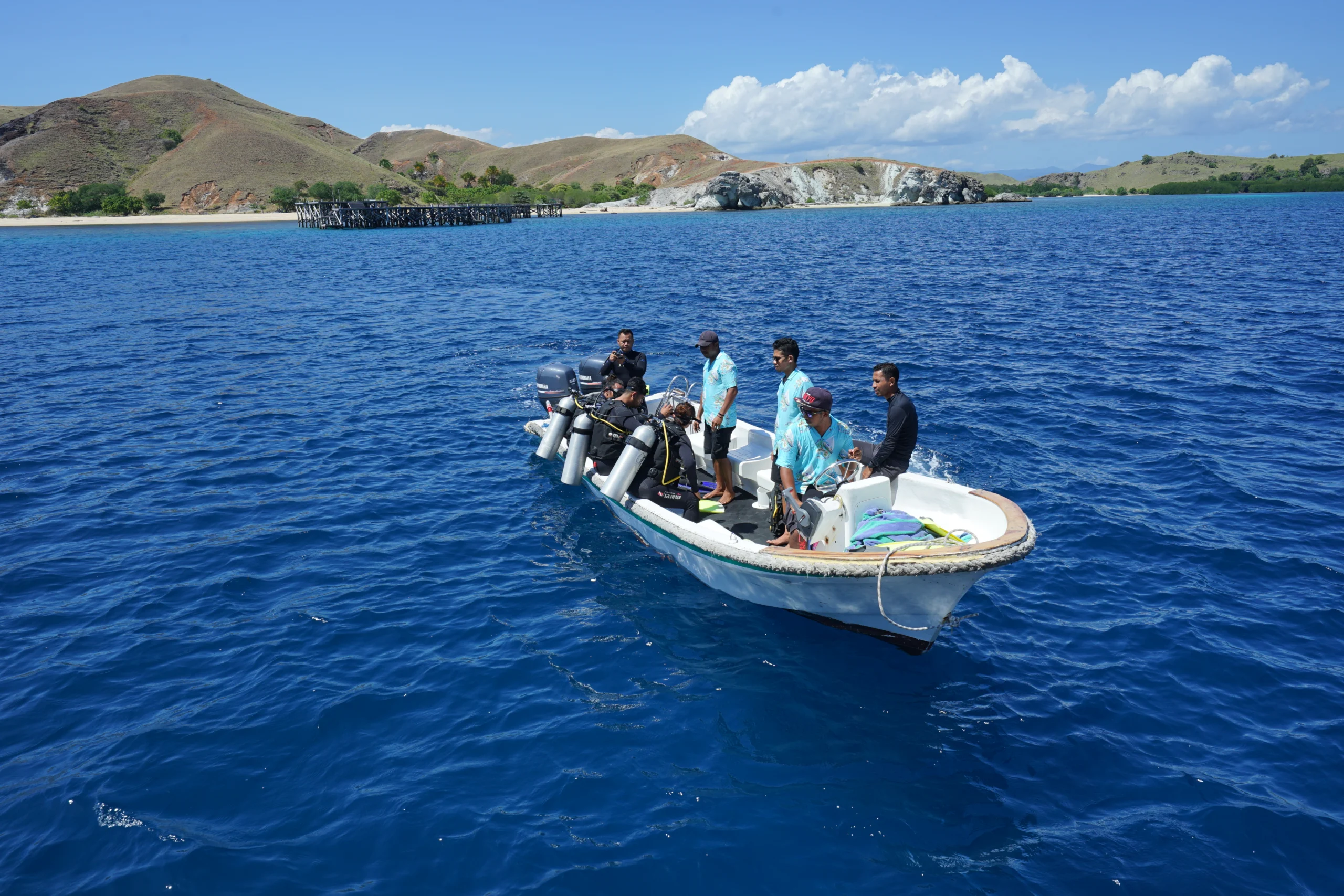
Choosing a Dive Site That Matches Your Experience
Not every dive site is suitable for every diver. Certification level, recent diving experience, comfort in open water, buoyancy control, and familiarity with currents are all relevant when planning an underwater activity.
For example, a diver who has not been underwater for several months may need to approach a dive differently from someone who dives regularly. Similarly, someone who is comfortable exploring shallow reefs may not yet have the experience required for a site with stronger currents or more demanding conditions.
A dive master can discuss these factors before the activity begins. The conversation may include when the guest last dived, how frequently they dive, their certification, and whether they have experience with particular underwater conditions.
Based on this information and the conditions on the day, the team can consider an appropriate location, depth range, and dive plan. In some cases, a more sheltered site may be a better choice. In others, changing the route or postponing the activity may be the most responsible decision.
Guests should be honest about their abilities rather than feeling pressured to match the experience of other travellers. Choosing a suitable site does not make the adventure less rewarding. It allows divers to focus on their surroundings while remaining aware of their depth, air supply, and fellow divers.
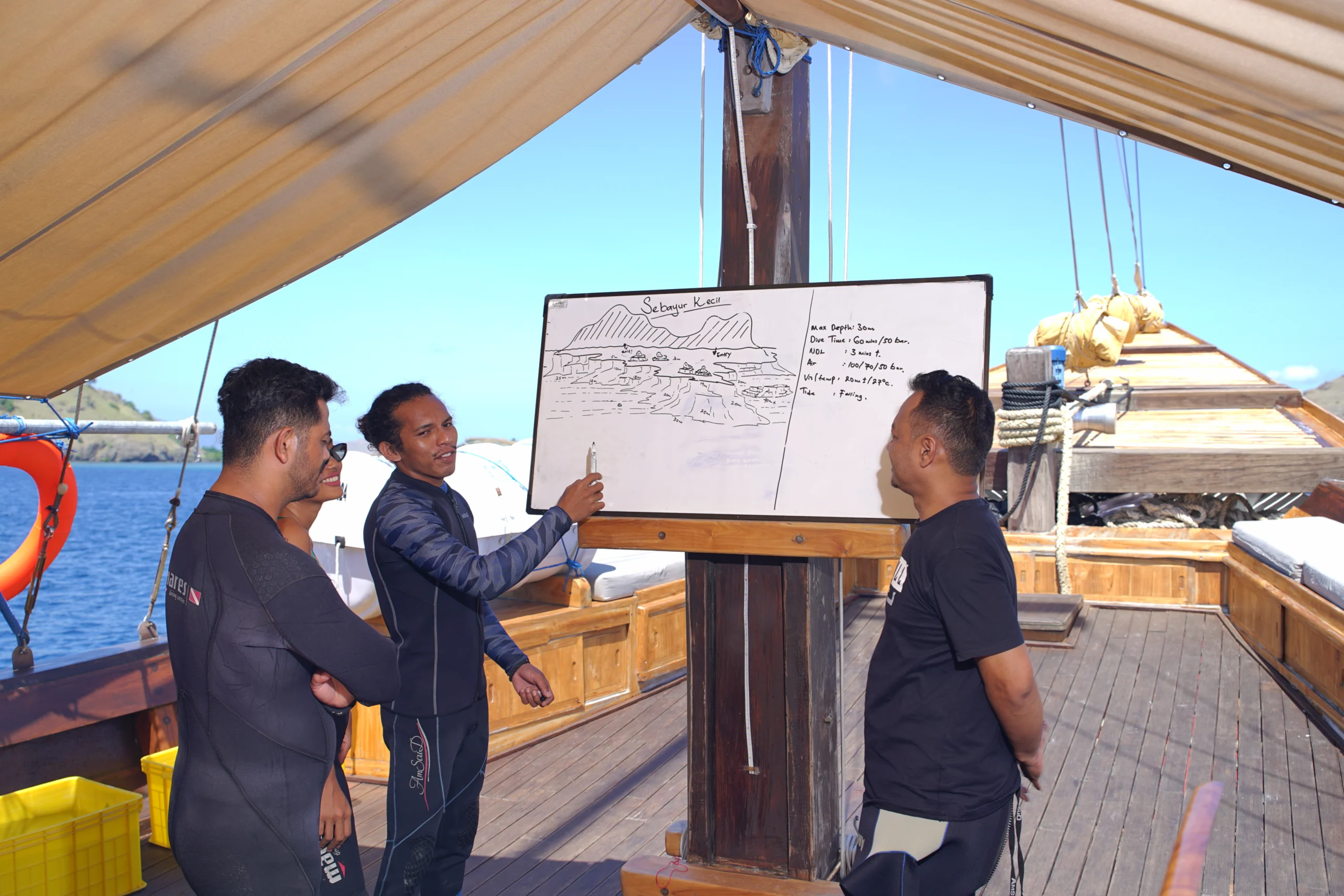
Why a Thorough Dive Briefing Matters
A dive briefing provides the group with a shared understanding of how the activity is expected to proceed. It should explain the relevant characteristics of the selected site and the procedures that divers need to follow.
Depending on the location and conditions, a briefing may cover:
-
Planned depth and dive duration.
-
Expected current and possible changes in water movement.
-
Entry and exit procedures.
-
The intended route and relevant underwater features.
-
Hand signals and communication with a buddy.
-
What to do if separated from the group.
-
Air management, ascent procedures, and safety stops.
Understanding these details before entering the water helps divers make more informed decisions. It also gives them an opportunity to ask questions if something is unclear.
A responsible briefing should also acknowledge that plans may change. If the current is stronger than expected or conditions become unsuitable, the professional may modify the route, shorten the dive, select another site, or decide not to proceed.
Such decisions are part of responsible diving. The objective is not to complete a particular dive at all costs, but to create conditions in which the group can explore as appropriately as possible.
How Local Knowledge Adds Value to the Experience
Local knowledge can help divers understand more than the basic layout of a dive site. A professional familiar with the area may recognise how tidal movement affects particular locations, which sections are more exposed, and how different sites may suit different experience levels.
This knowledge can also make the underwater experience more engaging. A guide may explain how reef slopes transition into deeper water, how rocky structures provide habitat for marine life, or why fish gather around certain formations.
Rather than simply swimming past the scenery, divers gain opportunities to observe the reef with greater awareness. They may begin to notice the relationships between coral structures, fish behaviour, and the surrounding environment.
However, marine life is unpredictable. No guide can guarantee encounters with specific animals, and sightings may vary depending on natural conditions. The value of a knowledgeable professional lies in helping guests appreciate the environment that is actually present, while encouraging respectful wildlife observation.
Divers should avoid touching coral, chasing marine animals, or disturbing the seabed. Maintaining good buoyancy and keeping a respectful distance helps protect the ecosystem that makes Komodo such a remarkable destination.
A Dive Master Guides the Experience, but Divers Still Have Responsibilities
Being accompanied by a dive master does not remove the need for personal responsibility. Divers must remain within their training, follow the agreed plan, monitor their air supply, maintain appropriate buoyancy, and stay aware of their buddy.
Guests should also communicate openly. If they feel anxious, tired, unwell, cold, or uncomfortable with the planned conditions, they should tell the team before entering the water. It is better to discuss concerns in advance than to continue simply because other members of the group appear confident.
Before booking, travellers can also ask about the operator’s diving arrangements, equipment availability, group procedures, and any requirements associated with their experience level.
If a particular dive requires specialist training, equipment, or an instructor, these arrangements should be confirmed directly with the operator. They should not be assumed to be included in a charter unless this has been explicitly stated.
Making Your Komodo Diving Experience More Meaningful
A well-planned diving experience leaves room for preparation, equipment checks, briefings, rest, and adjustments when necessary. A private liveaboard journey can provide a more personal way to explore the region, but flexibility remains essential because the final plan must take account of weather, tides, and the readiness of the guests.
Before your trip, share your diving background and interests with the team. Ask questions about the proposed activities and remain open to alternative sites if conditions change.
The most rewarding dive is not necessarily the deepest or most challenging one. It is an experience that allows you to explore the underwater world with awareness, preparation, and respect for the sea.
Plan Your Private Komodo Journey with Escape Liveaboard
Escape Liveaboard offers private Phinisi charter experiences for travellers looking to explore Indonesia’s remarkable seascapes. By sharing your interests and diving experience in advance, you can discuss possible itinerary arrangements and activity options with the team, subject to conditions and availability.
Rencanakan perjalanan privat Anda di Komodo bersama Escape Liveaboard.
-
WhatsApp: +62 811 399 677
-
Email: info@escapeliveaboard.com
Escape Liveaboard A Space to Reconnect and Unwind.
