
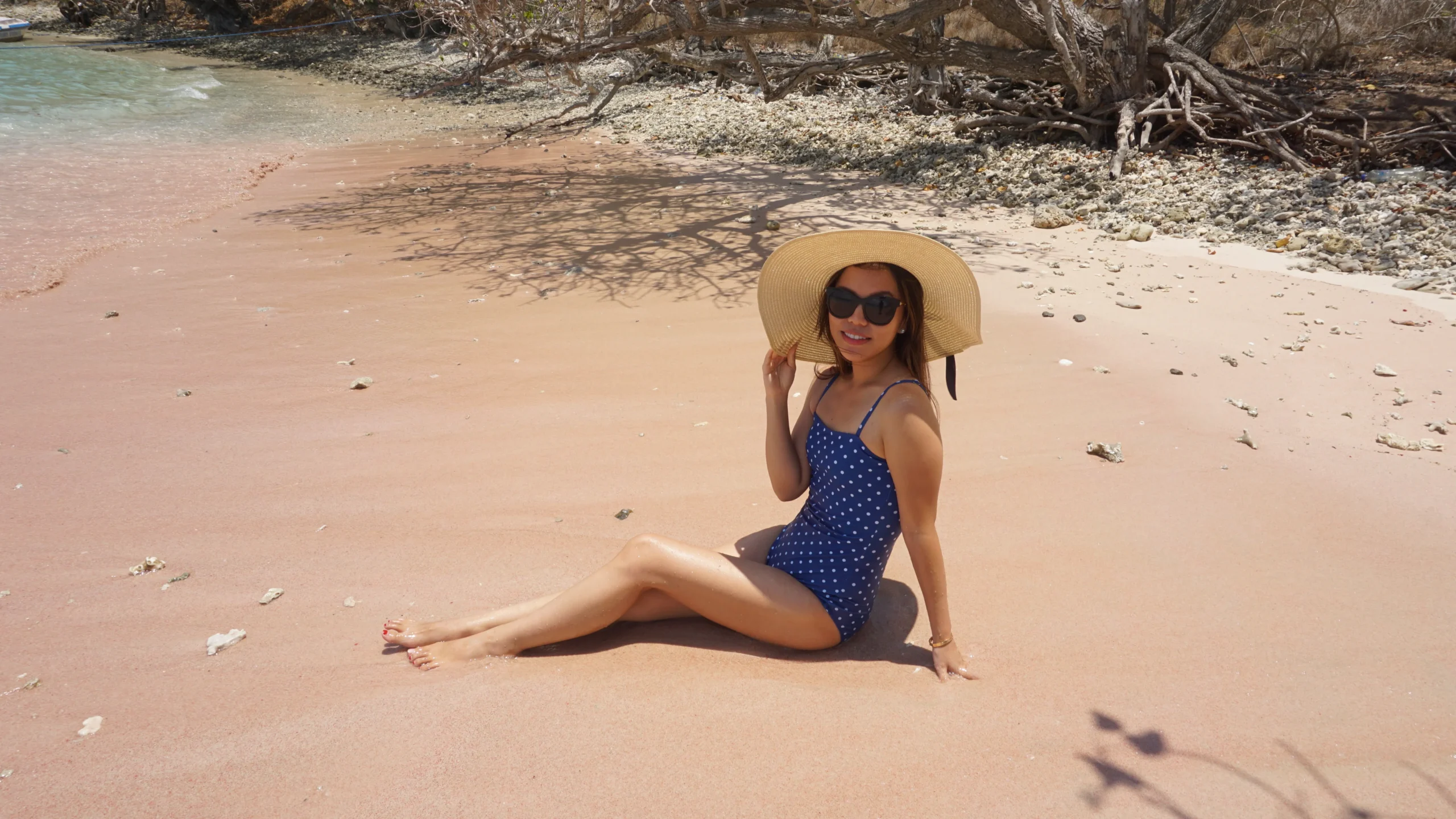
Among the many remarkable landscapes in Indonesia’s Komodo National Park, Pink Beach is one that immediately stands out. Its shoreline carries a soft pink hue, set against clear blue water and the rugged green hills that define this part of East Nusa Tenggara.
The unusual colour has made Pink Beach Komodo a memorable destination for travellers exploring the islands by sea. Yet its appeal goes beyond its photogenic shoreline. The pink sand is the result of natural processes involving marine organisms, coral material, and the movement of waves along the coast.
The Science Behind the Pink Sand
The colour of Pink Beach comes from a natural mixture of pale sand and reddish fragments associated with marine life. One contributor is foraminifera, a microscopic marine organism with a shell that can contain red pigments.
Over time, small fragments of this reddish material become mixed with lighter sand along the shoreline. Waves and coastal processes help move and distribute these particles, creating the distinctive pink appearance that gives the beach its name.
The colour is not necessarily identical across the entire beach. Sand composition, sunlight, and whether the shoreline is wet or dry can all influence how noticeable the pink tone appears. This is why the beach may look slightly different in person from one photograph to another.
A Beach Within Komodo National Park
Pink Beach is located on Komodo Island, within Komodo National Park in East Nusa Tenggara. The protected area is widely recognised for its distinctive terrestrial and marine environments, as well as its population of Komodo dragons.
The national park includes several major islands, such as Komodo, Rinca, and Padar, along with smaller surrounding islands and marine areas. Its landscapes bring together dry hills, coastal habitats, beaches, and waters that support a variety of marine life.
Because Pink Beach lies within a conservation area, visitors should be mindful of the environment and follow the park’s regulations. Taking sand, coral, shells, or other natural materials away from the beach is not an appropriate souvenir choice. Preserving these elements helps protect the natural character of the coastline.
More Than a Beautiful Shoreline
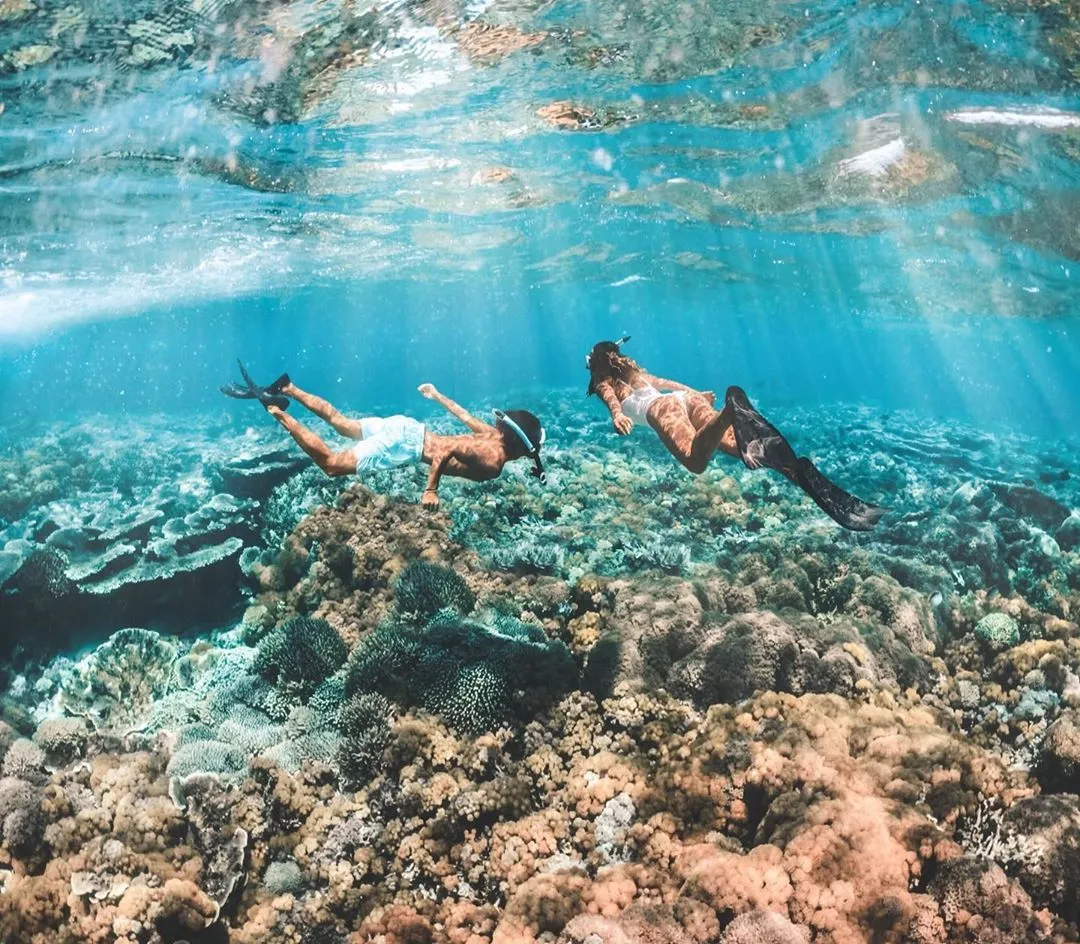
The waters around Pink Beach are part of the wider marine environment of Komodo National Park. Coral reefs and marine organisms contribute to the underwater landscape, making the area appealing to visitors interested in exploring beyond the beach.
Snorkelling can offer a closer look at the underwater environment when sea conditions allow. As with any reef experience, visitors should take care not to stand on or touch coral, and should keep a respectful distance from marine animals.
The underwater ecosystem is part of what makes this destination special. Enjoying it responsibly means leaving the reef undisturbed and following the guidance of the crew or local guides.
Reaching Pink Beach by Sea
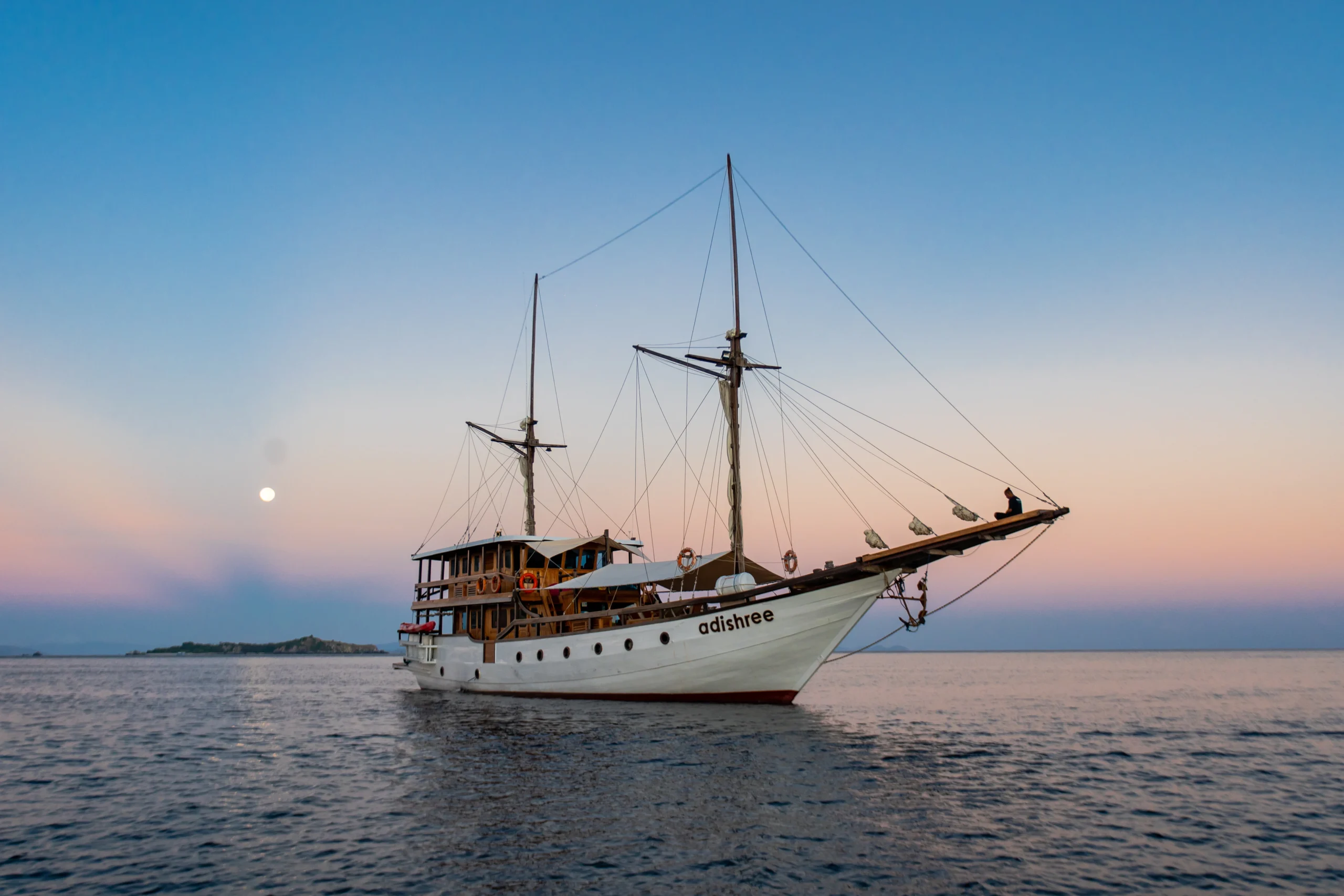
Pink Beach is accessed by boat, with many visitors departing from Labuan Bajo. A visit can be included as part of a wider journey through Komodo National Park, allowing travellers to experience more than one island and coastal landscape during their time at sea.
Travel time depends on the vessel, departure point, sea conditions, and the route being followed. It is best to confirm the details with the trip operator before setting out.
For travellers who prefer a more private way to explore the islands, a private sailing journey offers the opportunity to experience the region from the water. Moving between islands by boat also gives a different perspective on Komodo’s dramatic coastline and changing landscapes.
Any sailing plan should remain flexible, as weather, sea conditions, and national park regulations can affect the day’s arrangements. Safety and respect for the protected area should always come first.
Visiting with Care
Pink Beach is a reminder that some of Indonesia’s most striking landscapes are shaped by delicate natural processes. The pink sand may be what first draws attention, but the surrounding marine environment is just as important.
A few thoughtful habits can help keep the area in good condition:
- Leave sand, shells, coral, and marine life where they belong.
- Avoid standing on or touching coral while snorkelling.
- Take all rubbish back with you.
- Follow instructions from your boat crew, guides, and park officers.
- Check weather and sea conditions before departure.
A visit to Pink Beach Komodo is more than an opportunity to photograph an unusual shoreline. It is a chance to appreciate the natural processes behind its colour, discover the wider environment of Komodo National Park, and experience Indonesia’s islands from the sea.
For those drawn to the ocean, the journey can be as meaningful as the destination itself.
Plan your private Komodo journey with Escape Liveaboard.
Book Your Stay: https://escapeliveaboard.com/contact/
WhatsApp: +62 811 399 677
